
CGL Insurance for Contractors: A Practical Risk Guide
Contractors in Utah face real liability risks on every job site. One accident or property damage claim can threaten your entire business, which is why CGL insurance for contractors isn’t optional-it’s essential.
At Archibald Insurance Agency, we help contractors understand their coverage options and build protection strategies that match their actual work. This guide walks you through what you need to know to keep your business safe.
What Commercial General Liability Insurance Actually Covers
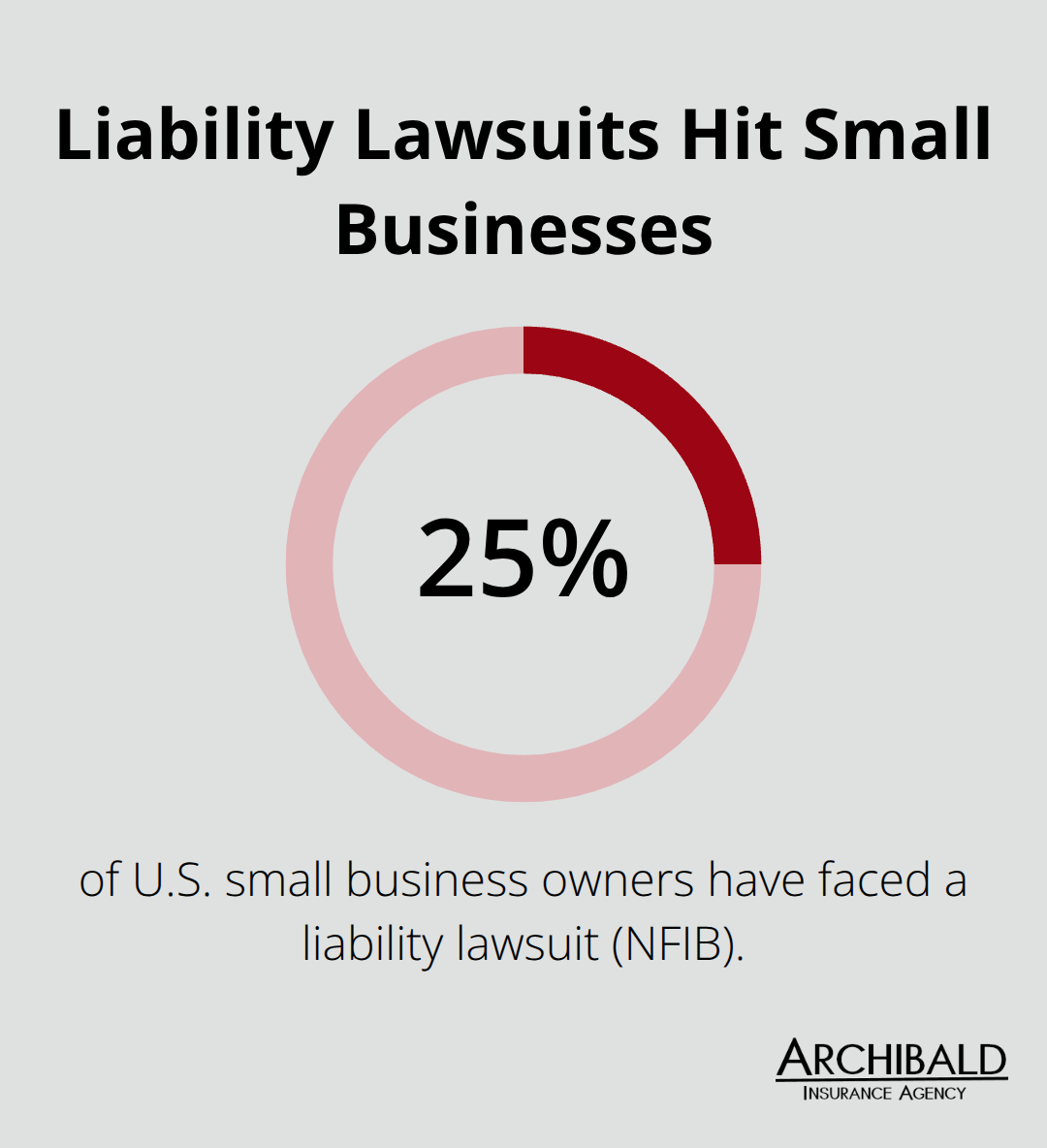
Commercial general liability coverage protects your contracting business from the financial fallout of bodily injury, property damage, and personal injury claims. If a worker gets hurt on your job site, a client’s building sustains damage during your work, or someone claims your advertising injured their reputation, your policy pays the legal costs and settlements instead of draining your business account. The National Federation of Independent Business reports that 25% of small business owners have faced a liability lawsuit, and construction contractors face even higher exposure due to the nature of their work.
In Utah, contractors operating without adequate liability coverage risk losing everything in a single claim. Most contractors underestimate their actual risk exposure because they focus only on obvious hazards like falls or equipment damage, missing the less visible dangers like incomplete work that causes future property damage or injuries that appear weeks after a job ends.
Utah’s Specific Requirements for Contractors
Utah doesn’t mandate CGL insurance for all contractors, but most clients and municipalities require proof of coverage before you step on their property. Many contractors discover this requirement too late, after losing bids or facing project delays. The claims we see most often involve property damage during renovation work, bodily injury from construction debris, and completed operations coverage gaps where injuries occur after the job finishes.
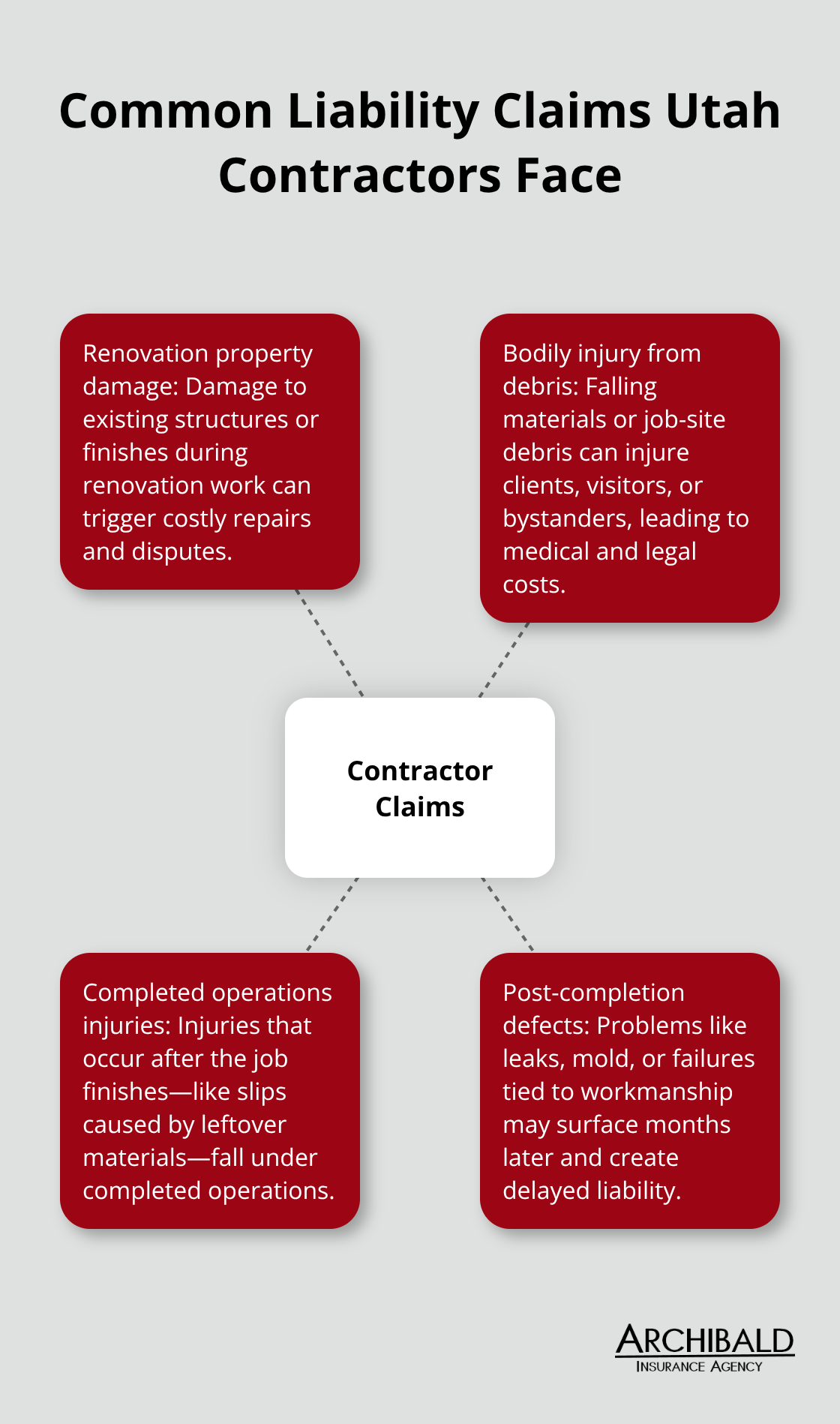
A contractor who damages a client’s existing structure, injures a homeowner’s guest on the job site, or leaves materials that cause injury months later all face liability exposure. Products and completed operations coverage becomes critical here because standard liability policies often exclude these post-completion risks.
Coverage Gaps Most Contractors Miss
Personal and advertising injury protection matters more than many contractors realize. If your advertising materials accidentally defame a competitor or violate their intellectual property, this coverage protects you from those unexpected costs. Most contractors skip this protection thinking it doesn’t apply to their work, which leaves them vulnerable to claims they never anticipated.
Utah contractors also need to understand that higher policy limits aren’t just about compliance-they’re about business survival. Most Utah contractors carry general liability limits of $1 million per occurrence / $2 million aggregate, and a serious injury case can quickly exceed these amounts. This gap between your coverage and actual claim costs can destroy a business that otherwise operates responsibly.
Understanding what your policy actually covers (and what it doesn’t) determines whether you’re truly protected or just carrying a false sense of security. The next section walks you through the essential coverage areas that separate adequate protection from inadequate coverage.
The Three Coverage Pillars Every Utah Contractor Needs
Bodily Injury and Property Damage: Your Foundation
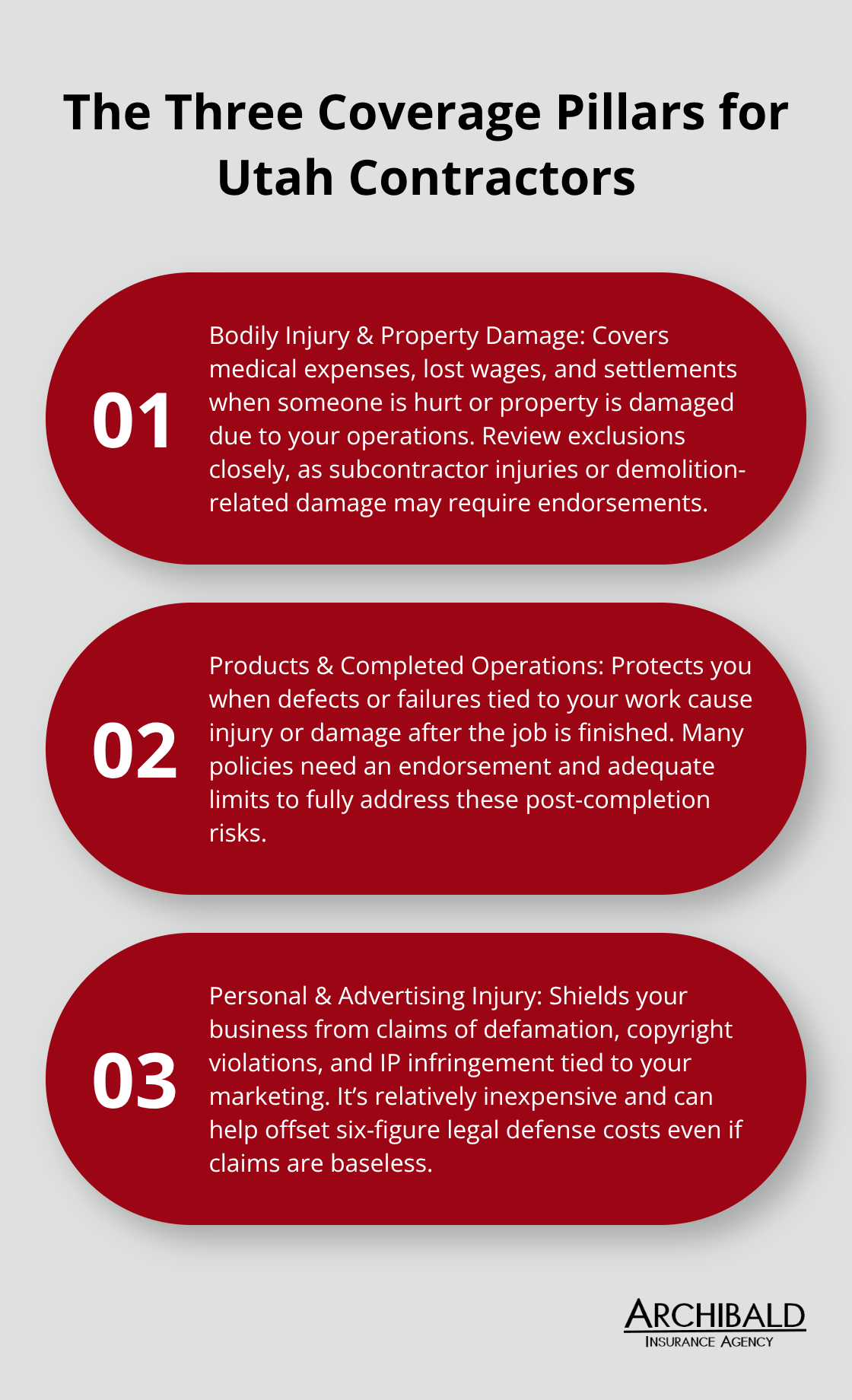
Bodily injury and property damage liability forms the foundation of contractor protection, yet most contractors don’t understand how limited this coverage actually is. This portion of your policy covers medical expenses, lost wages, and legal settlements when someone gets hurt on your job site or your work damages a client’s property. According to the U.S. Bureau of Labor Statistics, construction workers experience injury rates ranging from 1 to 2.7 per 100 full-time workers annually. A single serious injury claim can easily reach $500,000 to $1 million when accounting for ongoing medical care, lost earning capacity, and pain and suffering awards.
Standard bodily injury coverage often excludes certain scenarios-like injuries to employees of subcontractors or damage caused during demolition work-leaving gaps you might not discover until a claim gets denied. Utah contractors need to review their policy language carefully to identify these exclusions before they matter.
Products and Completed Operations: The Hidden Risk
Products and completed operations coverage addresses the liability that appears long after your crew leaves the job site. This protection activates when someone gets injured by materials you installed, structural failures result from your work quality, or defects emerge months or years later. Defective workmanship claims represent a significant portion of construction liability claims, yet contractors routinely skip this coverage or accept inadequate limits.
A roof installation that fails during heavy Utah winter snow, drywall that wasn’t properly sealed leading to mold growth, or electrical work that causes a fire weeks after completion all fall under this category. Most policies specifically exclude completed operations unless you add this endorsement. Many contractors assume their general liability policy covers these scenarios, but that assumption costs them when claims arrive.
Personal and Advertising Injury: The Overlooked Protection
Personal and advertising injury protection rounds out comprehensive coverage by protecting your business from claims that your marketing materials defamed a competitor, violated copyright, or infringed on intellectual property rights. While this seems unlikely, it costs relatively little to add and protects against claims that can reach $100,000 or more in legal defense costs alone, even if the claim ultimately proves baseless.
Utah contractors who operate in competitive markets or have experienced disputes with competitors should treat this as non-negotiable rather than optional. This coverage gap leaves your business exposed to unexpected legal expenses that drain cash flow and distract from operations.
Identifying Your Coverage Limits
Policy limits determine how much your insurance actually pays when claims arrive. Most Utah contractors carry general liability limits of $1 million per occurrence / $2 million aggregate, and a serious injury case can quickly exceed these amounts. This gap between your coverage and actual claim costs can destroy a business that otherwise operates responsibly.
Understanding what your policy actually covers (and what it doesn’t) determines whether you’re truly protected or just carrying a false sense of security. The next section walks you through how to assess your specific risk exposure and select limits that match your actual business operations.
How to Choose the Right CGL Policy for Your Contracting Business
Choosing the right CGL policy starts with honest assessment of what your contracting business actually does and where claims realistically come from. Utah contractors often select coverage limits based on what competitors carry or what feels comfortable rather than what their specific operations demand. A residential remodeler working on $50,000 projects faces different exposure than a commercial contractor installing HVAC systems in occupied office buildings. The Construction Industry Safety Coalition reports that property damage claims represent a significant portion of all contractor liability claims. Your policy limits need to reflect the actual dollar value at risk on your job sites, not an arbitrary number pulled from industry averages.
Assessing Your Specific Risk Exposure
Start by calculating your maximum potential exposure per project. This means identifying the highest-value property you work on, the number of workers on site simultaneously, and the types of hazards unique to your operations. A contractor installing kitchen cabinets in a $500,000 home faces different exposure than one replacing windows in a $2 million residence. Document the specific risks: Are you working near electrical systems? Operating heavy equipment? Working on occupied commercial spaces where business interruption becomes your liability? Are your subcontractors carrying their own insurance or relying on your coverage? These details determine whether $1 million per occurrence provides adequate protection or leaves you dangerously underinsured.
Many Utah contractors discover their limits were insufficient only after a claim arrives and their insurer pays the policy maximum while the actual damages exceed it by hundreds of thousands of dollars. The highest-value property you work on should anchor your coverage decision, not the lowest-value projects.
Comparing Policy Limits and Deductibles
Your deductible amount directly affects both your premium costs and your financial exposure when claims occur. Contractors frequently select higher deductibles ($5,000 to $10,000 or more) to reduce premium payments, viewing this as cost savings. This strategy fails when you face multiple claims in a single year or when a claim requires you to pay the deductible while waiting for insurance reimbursement. A contractor with a $10,000 deductible who experiences two separate property damage claims in one year absorbs $20,000 in out-of-pocket costs before insurance coverage activates.
For most contracting businesses, a $2,500 to $5,000 deductible balances reasonable premium costs with manageable cash flow impact. Lower deductibles cost more upfront but prevent the financial shock of unexpected claim expenses that can disrupt payroll or project funding. Policy limits determine how much your insurance actually pays when claims arrive. Most Utah contractors carry general liability limits of $1 million per occurrence / $2 million aggregate, and a serious injury case can quickly exceed these amounts. This gap between your coverage and actual claim costs can destroy a business that otherwise operates responsibly.
Working with an Independent Agent to Customize Coverage
An independent agent representing multiple carriers can show you how different insurers handle contractor exclusions and endorsements, revealing coverage gaps that standard policies create. Some carriers aggressively exclude certain contractor activities while others include them in standard policies, and this difference can determine whether a claim gets paid or denied. Many contractors assume all CGL policies cover the same risks identically, but carrier-specific exclusions and endorsement options create dramatic differences in actual protection.
An independent agent reviews your contracts with clients to identify insurance requirements you might miss, ensuring your policy meets contractual obligations that could otherwise breach agreements and create additional liability. Customization matters most when addressing your specific gaps. If you work regularly on completed operations that extend beyond a single day, you need products and completed operations coverage tailored to your timeline and work types. If you use specialized equipment or operate in hazardous environments, you need endorsements that address these risks explicitly.
If you work on occupied properties or near existing structures, you need coverage that specifically includes property damage to structures you’re not demolishing. Standard policies often exclude these scenarios unless you add specific endorsements that an independent agent knows to request. The difference between adequate protection and inadequate protection often comes down to these endorsement details that most contractors never discuss with their insurers. At Archibald Insurance Agency, we work with Utah contractors to move beyond standard policy templates and build coverage that addresses your specific operations.
Final Thoughts
CGL insurance for contractors protects your business from the financial devastation that follows a single claim. Your policy limits must match your actual work, not industry averages, and your deductible should balance premium costs against realistic cash flow impact. Your endorsements need to address the specific hazards your crews face on Utah job sites, because standard coverage leaves gaps that cost contractors thousands when claims arrive.
An independent agent makes the difference between template policies and customized protection that actually addresses your operations. We at Archibald Insurance Agency work with Utah contractors to move beyond standard coverage and build protection that reflects your specific business, reviews your contracts, identifies your actual risk exposure, and meets both your needs and your client requirements. The contractors who survive claims are the ones who addressed their coverage before problems emerged.
You can’t predict when an accident will happen or how much it will cost, but you can control whether your insurance actually protects you when it does. Contact Archibald Insurance Agency to review your current coverage and identify the gaps that could threaten your business. Your protection starts with honest assessment of your risks and the willingness to customize your policy accordingly.
Disclaimer: The information provided in this blog is for general informational purposes only and does not constitute legal, financial, or insurance advice. Coverage options, terms, and availability may vary. Please consult with a licensed professional for advice specific to your situation


