Homeowners Insurance Personal Liability Coverage
Your homeowners insurance personal liability coverage protects you when accidents happen on your property. This protection extends far beyond basic property damage.
We at Archibald Insurance Agency see Utah homeowners face liability claims ranging from $15,000 slip-and-fall incidents to $500,000 dog bite settlements. Understanding your coverage limits could save you from financial disaster.
What Personal Liability Coverage Actually Pays For
Personal liability coverage in your homeowners policy operates through three distinct payment categories that activate when someone gets injured on your property or when you damage their belongings. Understanding these coverage areas helps Utah homeowners protect their assets from unexpected lawsuits and financial exposure.
Bodily Injury Protection Beyond Your Property
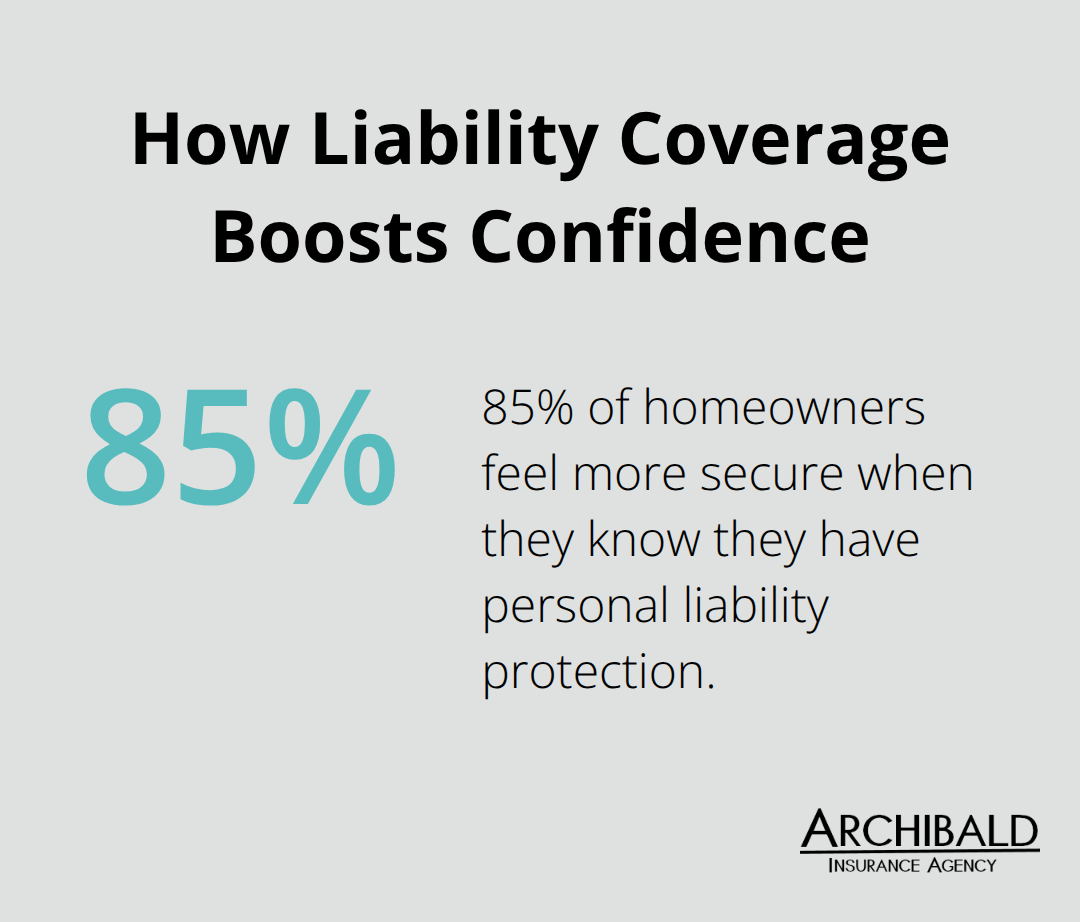
When a guest slips on your icy driveway or gets injured by your dog at the park, personal liability coverage pays their medical bills, lost wages, and pain and suffering damages. This protection follows you anywhere in the United States and covers incidents that involve your family members even when they occur away from home. The National Association of Insurance Commissioners data shows that 85% of homeowners feel more secure when they know they have this financial protection against unforeseen incidents.
Property Damage Coverage You Can Count On
Your policy also covers damage your family causes to others’ property, whether your child accidentally breaks a neighbor’s window or your tree falls on their car during a storm. This coverage extends to incidents both on and off your property (including vacation mishaps or accidents at friends’ homes). Property damage claims can range from minor incidents like broken electronics to major structural damage that costs thousands to repair.
Legal Defense and Attorney Fee Protection
Your liability coverage handles attorney fees, court costs, and settlements up to your policy limits when legal action arises from covered incidents. Standard Utah homeowners policies typically offer liability limits from $100,000 to $500,000, though many carriers recommend coverage that matches or exceeds your net worth for adequate asset protection. Personal umbrella insurance provides extra protection when your standard policy limits are exhausted. These scenarios highlight why understanding your specific risk factors becomes the next step in determining your ideal coverage amount.
Common Liability Scenarios Homeowners Face
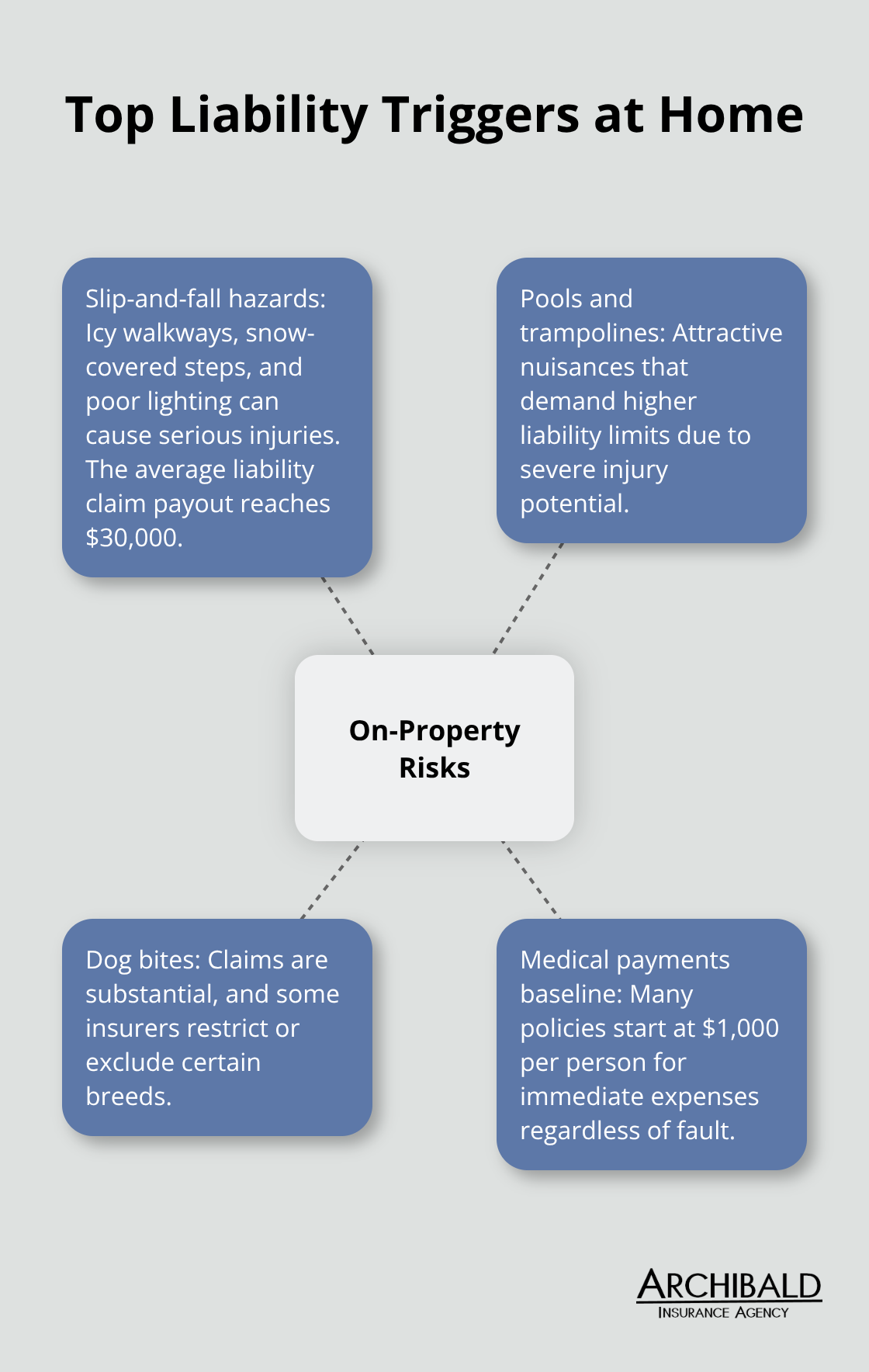
Utah homeowners encounter three types of liability scenarios that create the majority of personal injury lawsuits and insurance claims. Slip and fall accidents on residential properties result in significant settlements, with winter ice conditions in Utah creating particularly high-risk periods from December through March. These incidents often occur when homeowners fail to maintain safe walkways, clear snow and ice promptly, or address hazardous conditions like loose handrails or uneven surfaces.
Dog Bite Claims Cost More Than Most Homeowners Expect
Dog bite incidents create some of the most expensive liability claims, with average payouts that reached $69,272 per incident nationwide in 2024. Utah ranks among states with higher dog bite claim frequencies, particularly affecting homeowners with certain breeds that some insurers restrict or exclude from coverage. Pet-related injuries extend beyond bites to include incidents where dogs knock down elderly visitors, chase cyclists, or cause accidents when they run loose in neighborhoods.
Children Create Unexpected Financial Exposure
Family members, especially children, create liability claims that catch many Utah homeowners off guard. These incidents range from children who accidentally damage neighbors’ property while they play to teenage parties that result in injuries or property damage. The coverage extends to incidents away from home, which means parents remain liable when their child causes damage at friends’ houses, schools, or community events.
Winter Weather Amplifies Utah Liability Risks
Utah’s harsh winter conditions (with temperatures dropping below freezing for months) significantly increase slip and fall risks on residential properties. Homeowners face higher liability exposure when they fail to salt walkways, remove ice dams, or maintain adequate outdoor lighting during shorter daylight hours. These seasonal factors make adequate coverage limits even more important for Utah residents who want to protect their assets from weather-related liability claims.
How Much Liability Coverage You Actually Need
Standard Utah homeowners policies offer liability limits of $100,000, $300,000, and $500,000, but many Utah homeowners carry insufficient coverage according to National Association data. This leaves many residents financially exposed when they face serious liability claims. We recommend that you select coverage that matches or exceeds your total net worth, which means homeowners with $400,000 in assets should carry at least $500,000 in liability protection.
High-Risk Property Features Require Higher Coverage
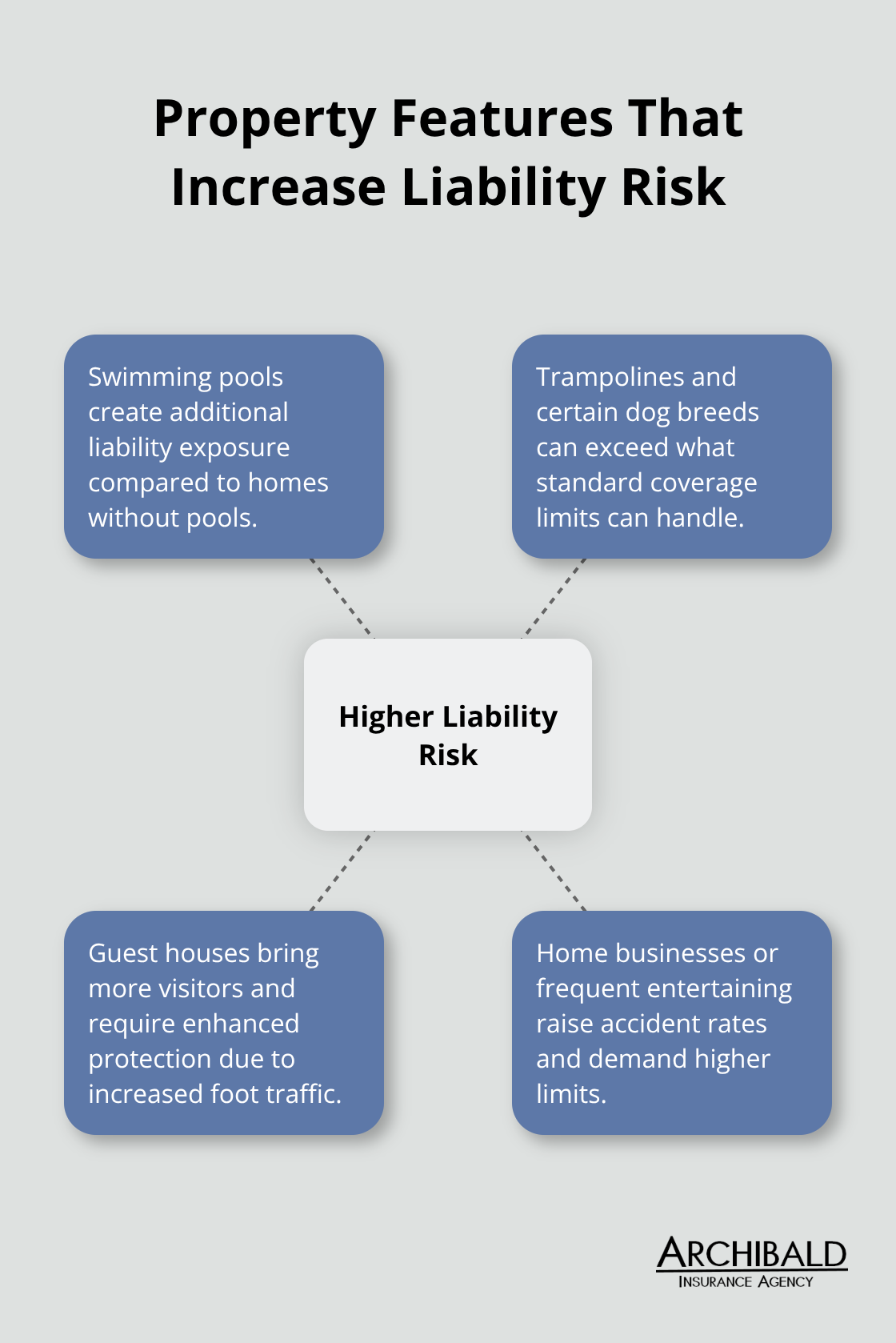
Swimming pools create additional liability exposure compared to homes without pools, while trampolines and certain dog breeds create additional exposure that standard coverage limits cannot handle. Utah homeowners with these features should start with $500,000 minimum coverage and consider higher limits. Properties with guest houses, home businesses, or frequent entertainment also require enhanced protection since increased foot traffic directly correlates with higher accident rates.
Standard Coverage Limits in Utah
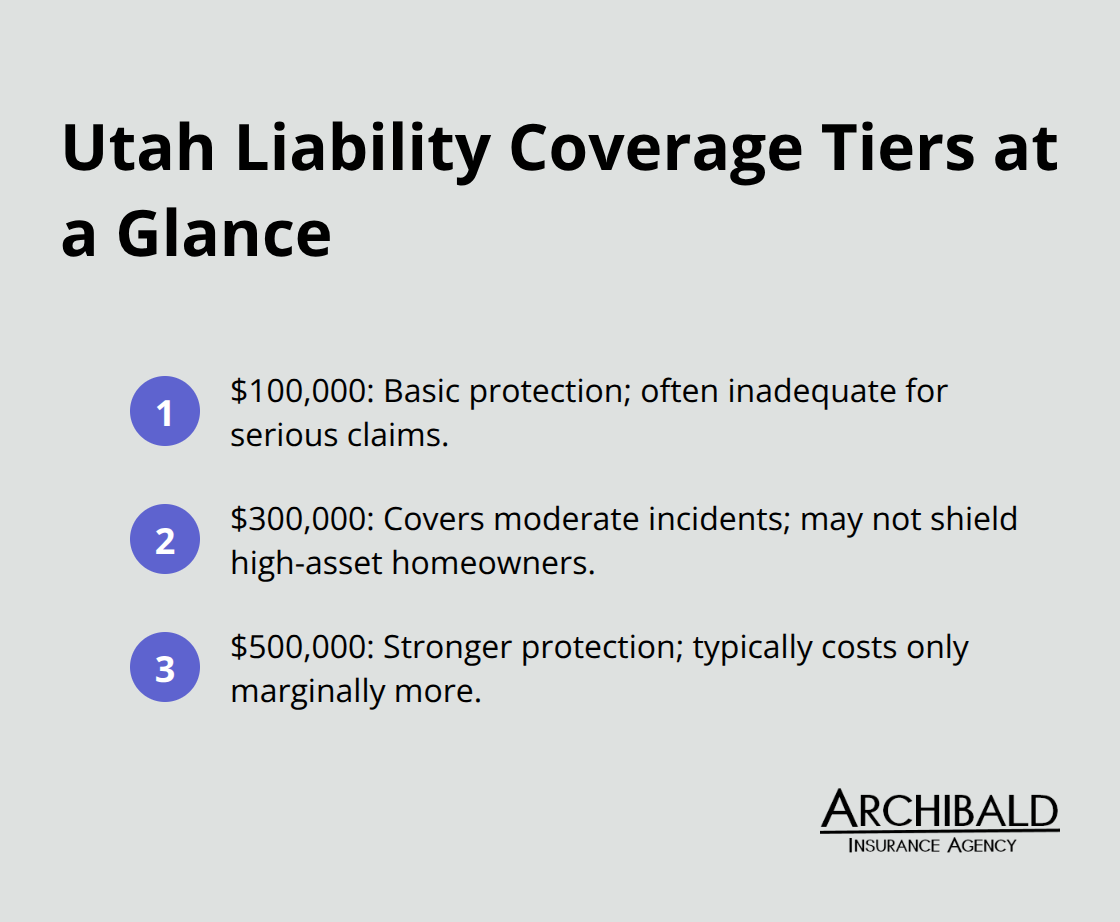
Most Utah insurers offer three standard liability tiers that homeowners can choose from based on their risk profile and asset protection needs. The $100,000 option provides basic protection but falls short for most serious claims (especially those that involve permanent injuries or extensive property damage). The $300,000 tier covers moderate incidents but may not protect homeowners with significant assets from major lawsuits. The $500,000 option offers better protection for most Utah families and costs only marginally more than lower limits.
Umbrella Policies Fill Critical Coverage Gaps
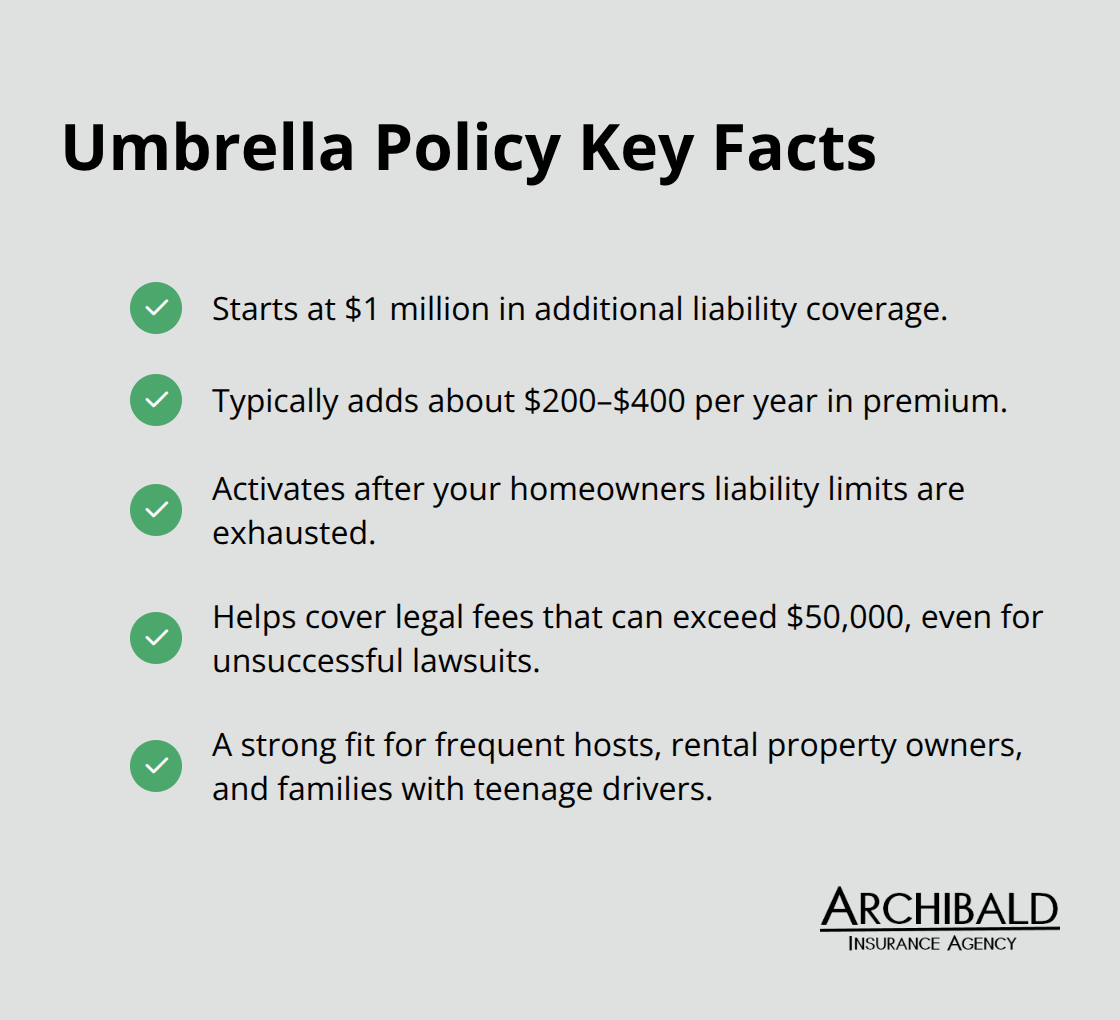
Umbrella insurance starts at $1 million coverage for approximately $200-300 annually and activates when your homeowners liability limits are exhausted. This protection becomes essential for Utah professionals, business owners, or anyone with significant assets who face higher lawsuit targets. The Insurance Information Institute reports that legal defense costs alone can exceed $10,000 even for unfounded claims, which makes umbrella coverage a smart financial decision for homeowners who carry less than $500,000 in standard liability protection.
Final Thoughts
Adequate homeowners insurance personal liability coverage protects your financial future from unexpected lawsuits and medical claims that can reach hundreds of thousands of dollars. The peace of mind that comes with proper coverage limits allows Utah homeowners to focus on their families rather than worry about potential financial disasters from accidents on their property. You need to review your current policy to reveal dangerous coverage gaps that leave your assets exposed.
Check your liability limits against your net worth and assess your property’s risk factors like pools or pets. Consider whether umbrella insurance makes sense for your situation (many Utah homeowners discover they need higher limits than their current policies provide). Most families underestimate their liability exposure until they face their first serious claim.
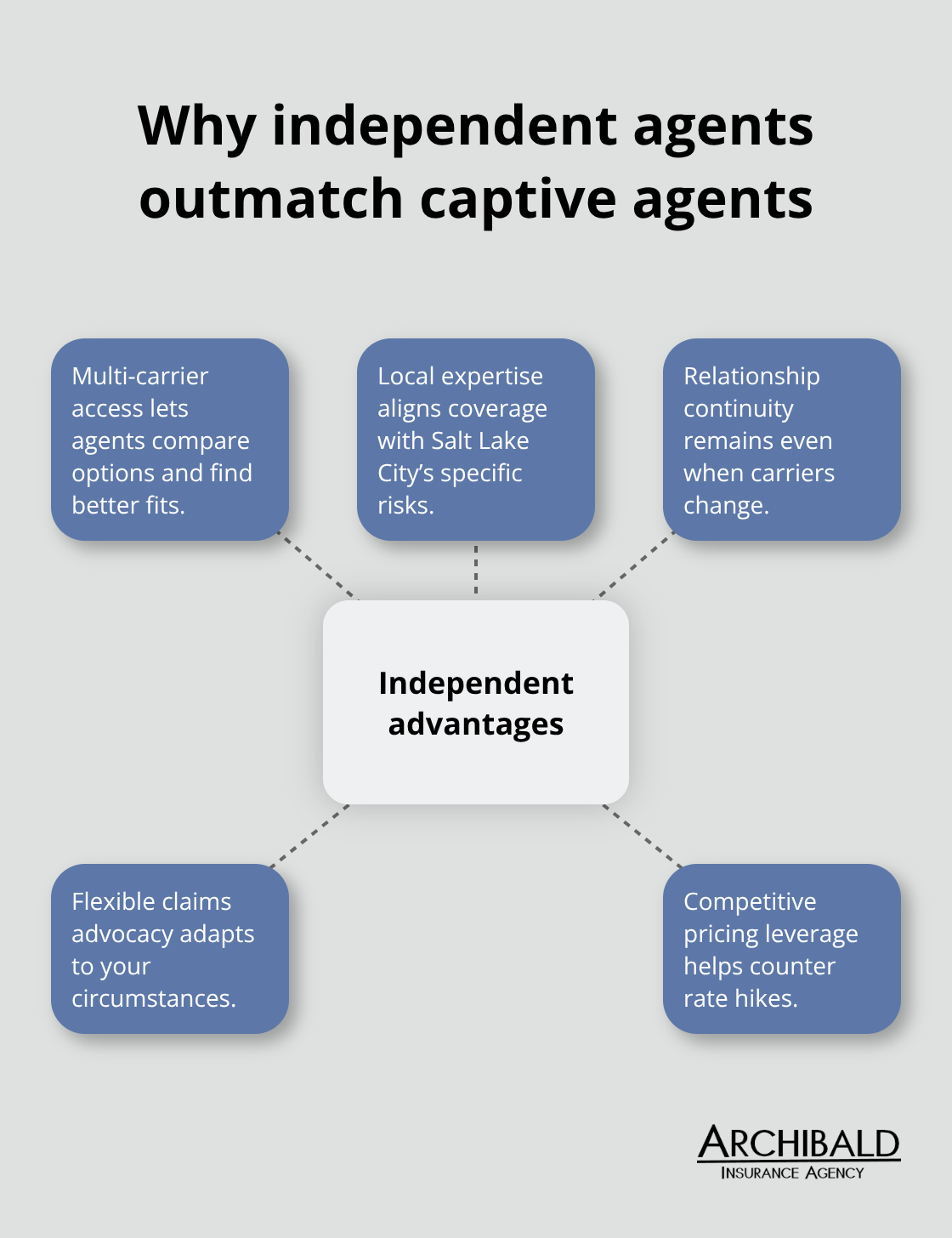
We at Archibald Insurance Agency help Utah families navigate these coverage decisions through personalized consultations that match your specific needs and budget. As an independent agency, we compare options across different insurers to find the right protection levels at competitive rates. Our team builds relationships with clients by providing expert advice and exceptional service that keeps your family protected against unforeseen events.