
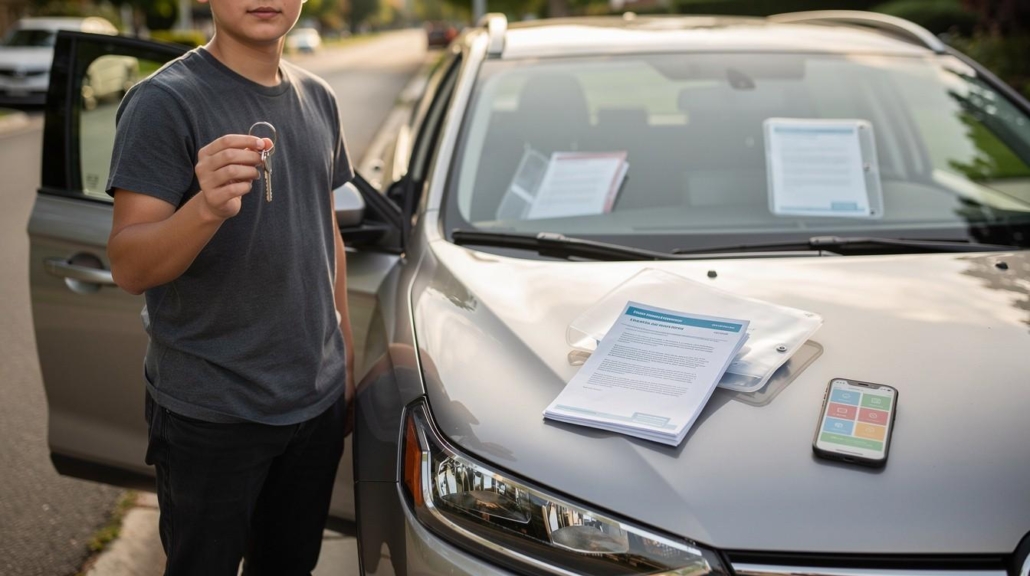
New Driver Car Insurance: Tips for Safer, Cheaper Coverage
New drivers face a tough reality: insurance companies charge them significantly higher premiums than experienced drivers. At Archibald Insurance Agency, we know that new driver car insurance doesn’t have to drain your budget.
This guide walks you through concrete ways to lower your costs while staying protected on Utah roads. You’ll learn what insurers look for, which discounts actually work, and how to build coverage that fits your situation.
Why New Drivers Cost More to Insure
Insurance companies charge new drivers substantially higher premiums because statistical data shows they’re significantly more likely to cause accidents. The National Highway Traffic Safety Administration reports that drivers aged 16 to 19 have crash rates three times higher than drivers aged 20 and older. This isn’t guesswork-it’s actuarial fact based on millions of claims. Insurers price premiums according to risk, and new drivers represent genuine, measurable risk. Your age and lack of driving history are the primary reasons your quotes look so different from a driver with five years of experience.
What Insurers Actually Look At
Insurance companies evaluate new drivers using specific data points that predict accident likelihood. Your driving record matters most, though yours is blank, which works against you until you build a clean history. Your age, vehicle type, annual mileage, and where you live in Utah all factor into calculations. Male drivers under 25 pay higher rates than female drivers of the same age-insurers use gender because historical data shows males in this age group file more claims. Your credit score also plays a role; some insurers in Utah use credit-based insurance scores to assess risk.
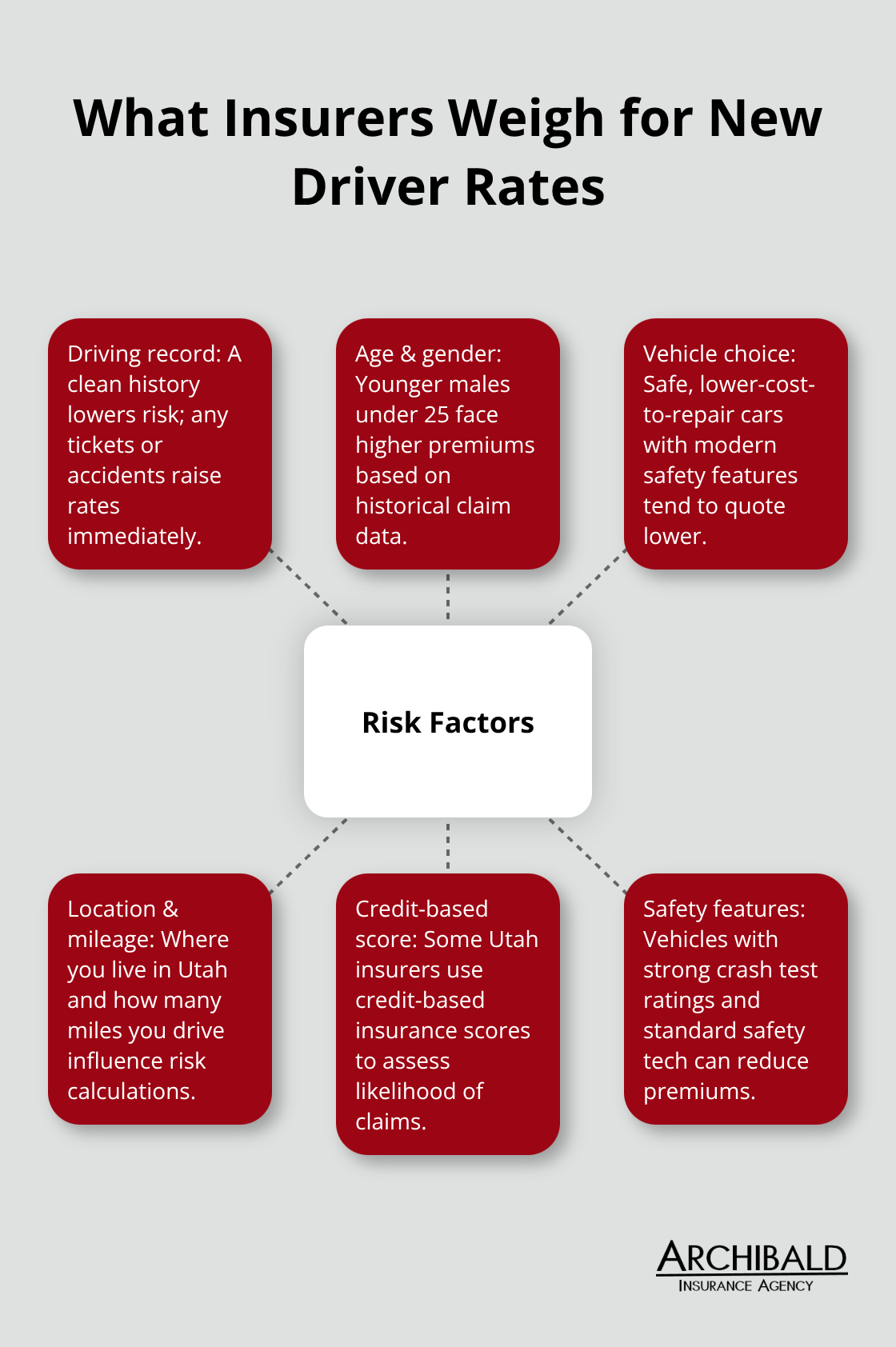
The vehicle you drive makes a real difference too. A 2024 Honda Civic with standard safety features will generate lower quotes than a 2015 sports car, regardless of your driving ability.
How Your Age and Experience Shape Your Quote
A 16-year-old new driver in Utah will pay roughly double what a 25-year-old new driver pays for identical coverage on the same vehicle. This gap narrows significantly each year you drive without accidents. At age 25, your age stops being a primary rate factor, though your driving record still determines your premium. If you’re a new driver who’s older-say, 30 or 40-you’ll face lower rates than a teenage new driver because insurers view adult new drivers as lower risk despite their inexperience. The fastest way to reduce your premium isn’t waiting for your birthday; it’s maintaining a clean driving record for 12 to 24 months without tickets or accidents. Some insurers offer good student discounts if you maintain a 3.0 GPA or higher, which can cut your premium by 10 to 15 percent.
Moving Forward With Your Coverage
Understanding why insurers charge what they do puts you in control of your next steps. Your rates aren’t fixed-they respond to the choices you make and the driving record you build. The practical strategies in the next section show you exactly how to lower those costs while protecting yourself on Utah roads.
How to Cut Your New Driver Insurance Costs
Defensive Driving Courses Reduce Your Risk and Your Rate
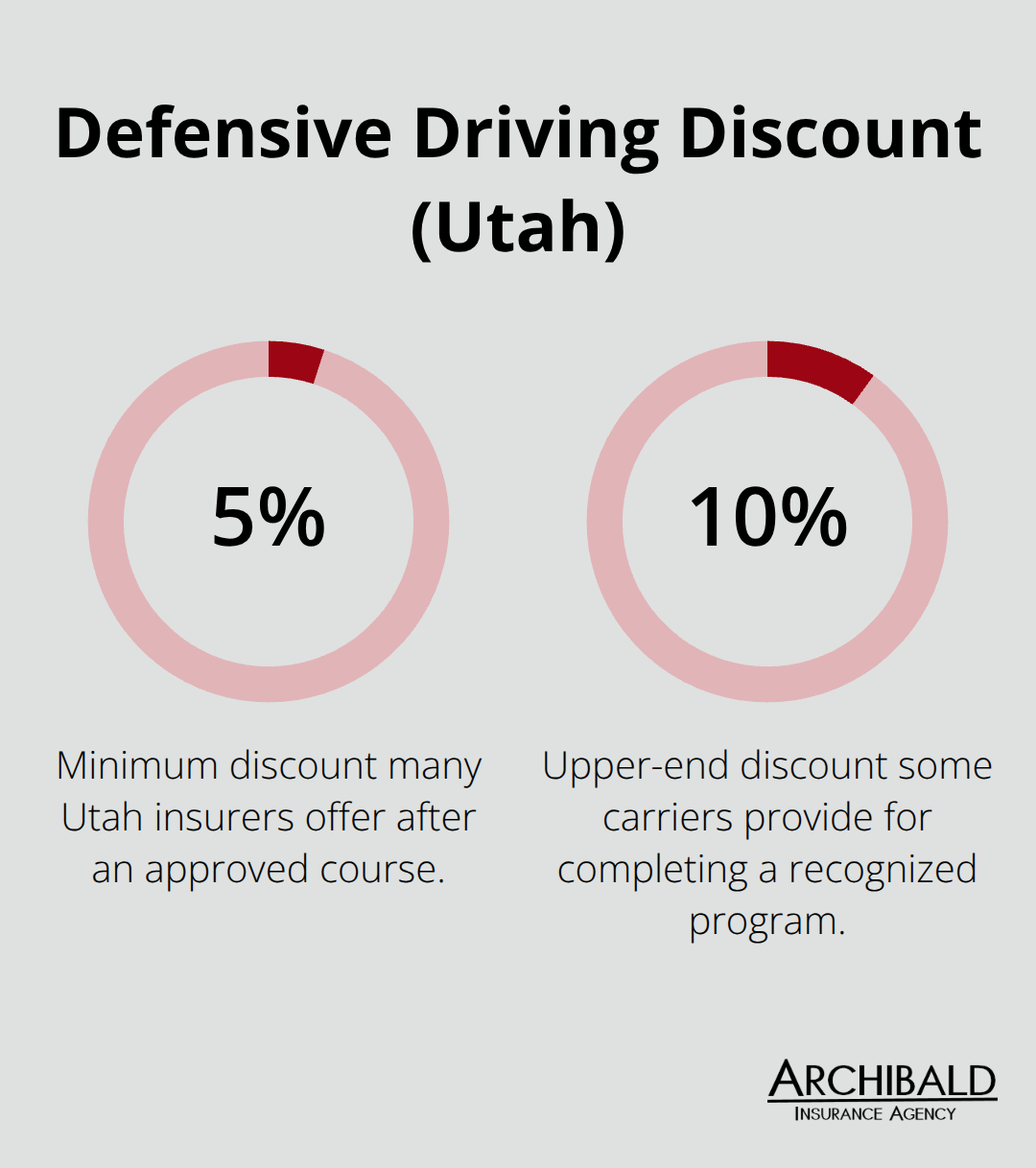
Defensive driving courses address the exact problem insurers worry about: accidents caused by inexperience. The Insurance Institute for Highway Safety reports that drivers who complete approved defensive driving programs reduce crash risk. In Utah, completing a course recognized by your insurance carrier typically qualifies you for a discount ranging from 5 to 10 percent on your premium. This discount often stacks with other savings, and the reduction typically lasts three to five years depending on your insurer’s policy. A course costs between 20 and 50 dollars, meaning you recover that investment within a few months of lower premiums.
Your Vehicle Choice Directly Impacts Your Premium
Insurance companies charge higher premiums for vehicles with poor crash test ratings, high theft rates, or expensive repair costs. A 2023 Honda Civic or Toyota Corolla will generate substantially lower quotes than a 2015 Dodge Charger or Nissan Altima because safety ratings and repair costs directly influence claims expenses. Check the Insurance Institute for Highway Safety ratings and NHTSA crash test results before purchasing any vehicle, not just for your safety but because these ratings directly determine your insurance costs. The vehicle you select shapes your premium for years, so this decision matters far more than most new drivers realize.
Bundle Policies to Unlock Hidden Savings
Bundling your auto insurance with home insurance represents one of the most underutilized ways to reduce your rate. Most insurers in Utah offer bundle discounts between 10 and 25 percent when you combine policies with them. A new driver paying 1,200 dollars annually for auto insurance could save 120 to 300 dollars simply by moving home or renters insurance to the same carrier. An independent agent can help you identify which carriers offer the best bundle rates for your specific situation.
Your Driving Record Controls Your Financial Future
Your driving record is the single most controllable factor in your rate. One speeding ticket or minor accident can increase your premium by 20 to 40 percent for three to five years. Conversely, maintaining a clean record for 24 months without violations allows you to qualify for good driver discounts that reduce your rate by 10 to 15 percent. The discipline required to avoid tickets and accidents pays off measurably in lower premiums every single month. These cost reductions compound over time, making your early driving choices the foundation for affordable insurance throughout your life.
How Safe Driving Habits Lower Your Insurance Costs
Eliminate Distractions to Protect Your Rate
Distracted driving kills. Using a cell phone while driving creates enormous potential for deaths and injuries on U.S. roads, and new drivers cause a disproportionate share of these incidents. Your phone, passengers, eating, or adjusting controls while driving don’t just endanger your life-they directly increase your insurance risk and premiums. Insurance companies track claims data meticulously, and drivers involved in distraction-related accidents face rate increases of 20 to 40 percent for years.
Put your phone in the glove compartment during drives, not in a cup holder. Silence notifications completely rather than silencing calls. If you drive with passengers your age, establish a rule that conversation stops when conditions demand focus. Your insurance rates reward this discipline tangibly.
Respect Speed Limits on Utah Roads
Speed limits exist because they reflect road safety research, not arbitrary bureaucratic decisions. Drivers who exceed posted limits by just 10 miles per hour significantly increase accident probability, especially on wet or icy Utah roads. A single speeding ticket raises your premium immediately-often by 15 to 30 percent depending on how much over the limit you drove.
Multiple violations within three years compound these increases, potentially doubling your rate. Utah’s winter roads from November through March demand particular attention; icy conditions amplify the consequences of speed. Drive at or below posted limits consistently, and your clean driving record becomes your most valuable asset. This habit costs nothing and generates measurable savings month after month.
Practice in Challenging Weather and Road Conditions
Weather and road condition practice separates confident drivers from accident-prone ones. New drivers who only drive in clear daylight conditions crash at far higher rates when conditions change. Rain reduces tire traction immediately; snow and ice eliminate it almost entirely. Insurance companies charge higher premiums in regions with harsh winters because claims data proves these conditions cause more accidents among inexperienced drivers.
Practice driving in light rain during daylight hours first, then progress to heavier rain and darkness. Make sure tires have enough air pressure and tread, and check windshield wipers to see if they need to be replaced. When snow arrives, spend time in safe environments like parking lots learning how your car handles reduced traction before driving on roads. This graduated approach builds genuine confidence and muscle memory, not just theoretical knowledge.
Your insurance rates reflect this competence; drivers who avoid weather-related accidents maintain lower premiums. Schedule practice sessions with a licensed driver if you’re under 18 in Utah, as this follows state graduated licensing requirements and builds verifiable safe driving history. Each month without an accident strengthens your rate position, making these early investments in skill development financially valuable.
Final Thoughts on New Driver Car Insurance in Utah
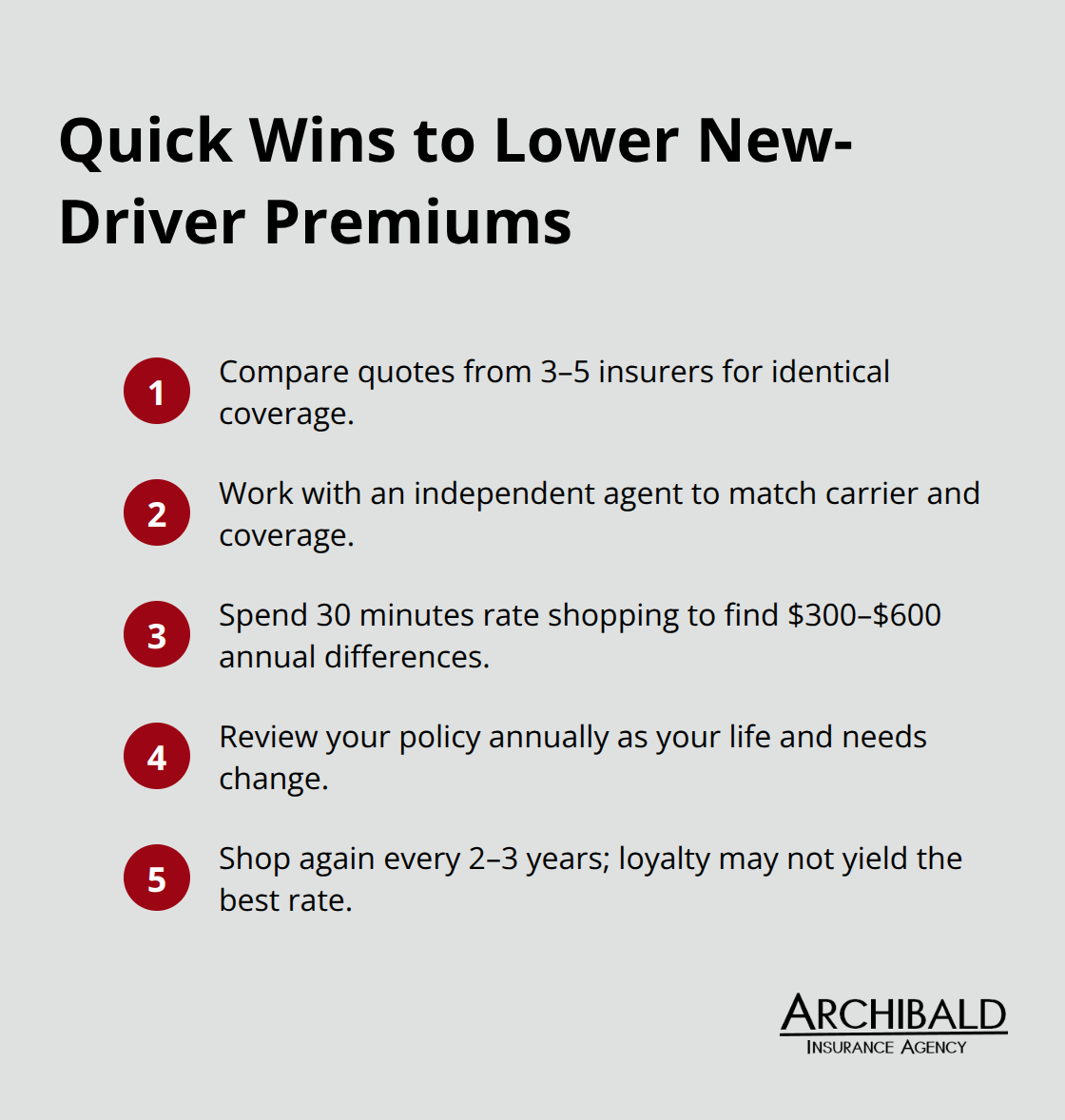
Getting new driver car insurance right means comparing what’s actually available to you, not settling for the first quote you receive. Most new drivers accept the first premium they’re quoted, but rates vary dramatically between carriers for identical coverage. Spending 30 minutes gathering quotes from three to five different insurers typically reveals price differences of 300 to 600 dollars annually.
Working with an independent agent changes everything. We at Archibald Insurance Agency represent multiple carriers, which means we match you with the insurer offering the best rate and coverage combination for your specific situation. An independent agent reviews your driving habits, vehicle, and financial situation to recommend appropriate coverage levels rather than pushing you toward maximum coverage you don’t need (this personalized approach typically saves new drivers money while actually improving their protection).
Visit Archibald Insurance Agency to connect with an agent who understands Utah’s specific insurance landscape and can build a policy matching your actual needs and budget. Your coverage needs shift as your life changes, so review your policy annually with your agent to adjust coverage as your situation evolves. Rate shopping every two to three years also makes sense; loyalty doesn’t always reward you with the best price.
Disclaimer: The information provided in this blog is for general informational purposes only and does not constitute legal, financial, or insurance advice. Coverage options, terms, and availability may vary. Please consult with a licensed professional for advice specific to your situation


