

Life Insurance Beneficiaries Utah: Planning For Your Loved Ones
Life insurance beneficiaries in Utah deserve careful thought. Without clear designations, your family could face legal complications and delays when they need support most.
We at Archibald Insurance Agency help Utah families make smart beneficiary choices that align with their goals. This guide walks you through the decisions that matter.
What Exactly Is a Beneficiary?
The Legal Power of Your Beneficiary Designation
A beneficiary is the person or entity you name to receive your life insurance death benefit when you pass away. This is not a suggestion or a preference-it’s a legally binding designation that overrides your will. Utah law makes this clear: the beneficiary designation on your policy controls the payout, regardless of what your will says. If you name your spouse as beneficiary but your will leaves everything to your children, your spouse gets the death benefit. This matters because millions of dollars in life insurance benefits go unclaimed each year, often because beneficiaries simply didn’t know a policy existed or where to find it.
Primary and Contingent Beneficiaries
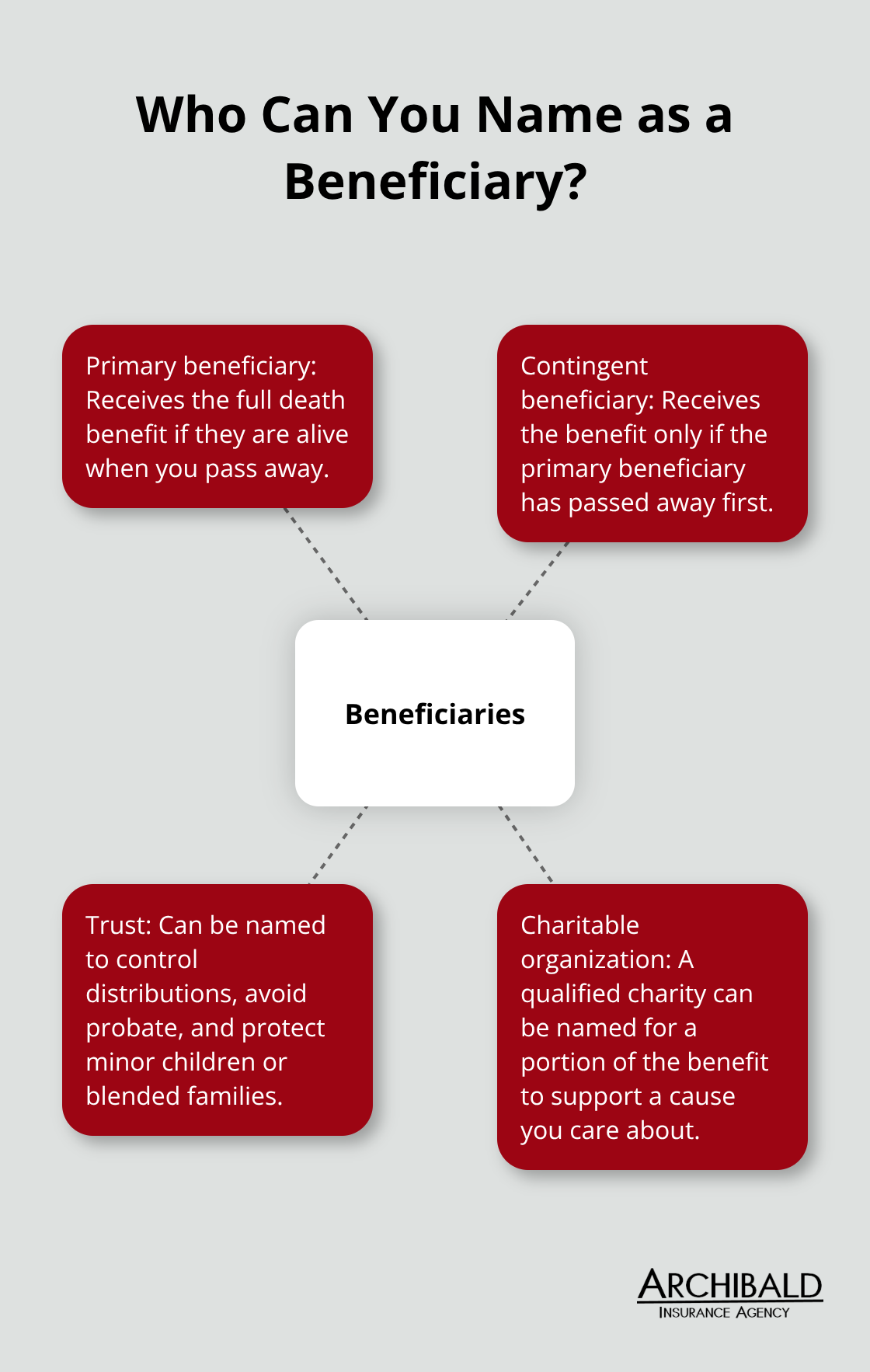
Most people should name both a primary beneficiary and at least one contingent beneficiary. Your primary beneficiary receives the full death benefit if they’re alive when you die. Your contingent beneficiary steps in only if your primary beneficiary has passed away first. Without a contingent beneficiary, your death benefit goes to your estate, which triggers probate and delays payouts to your family.
Mistakes That Cost Your Family Time and Money
Common mistakes include naming a minor child directly as beneficiary-minors cannot legally receive large sums of money, so the court must appoint a guardian to manage it, adding complexity and cost. Another frequent error is failing to update beneficiaries after divorce; Utah law automatically revokes an ex-spouse as beneficiary under Utah Code 75-2-804, but only if the policy is subject to that statute, so verification is essential. Outdated designations also create problems-if you remarry and don’t update your beneficiary, your ex-spouse may still be listed, or your new spouse may be excluded entirely.
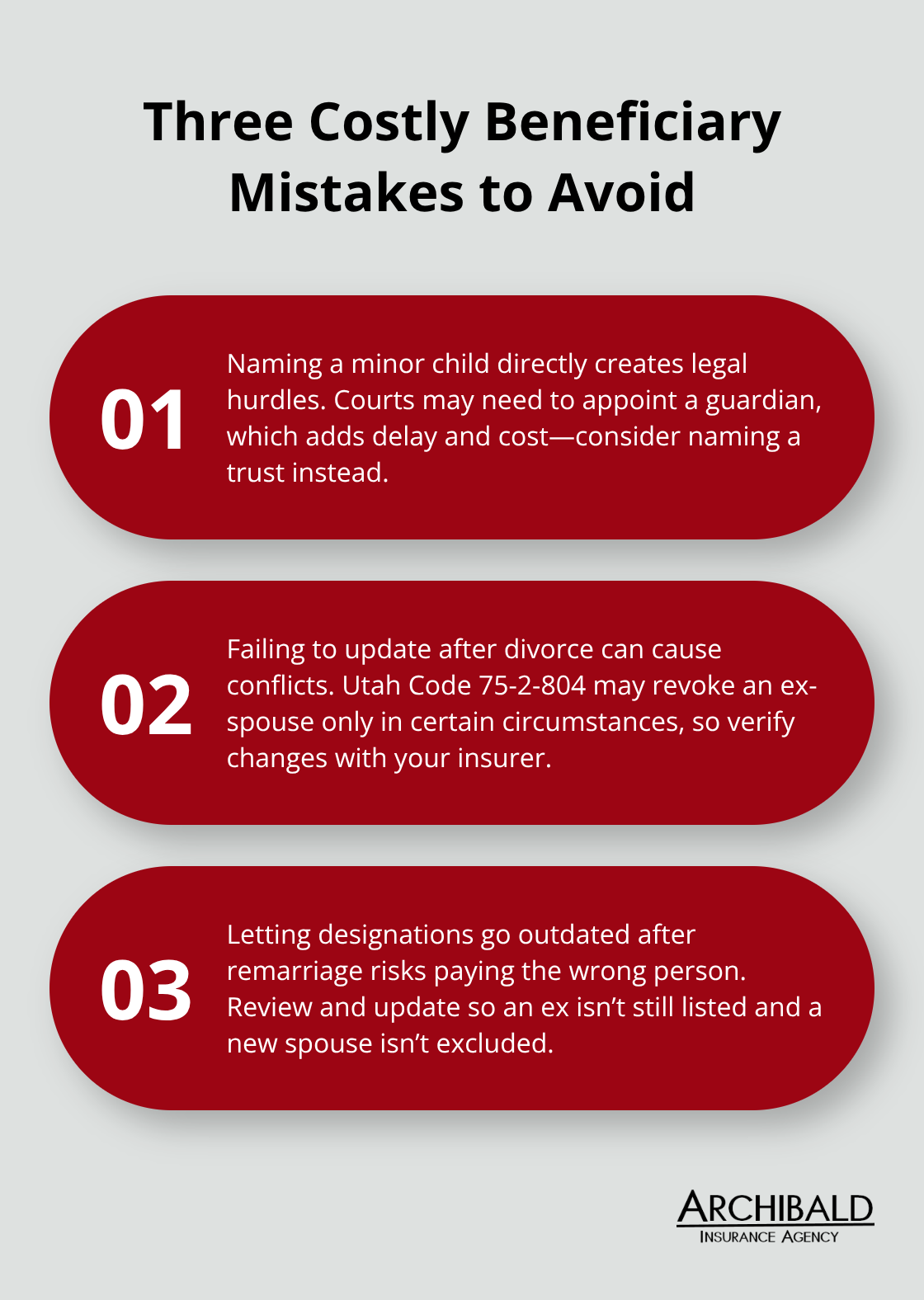
The third major mistake is failing to coordinate life insurance with your overall estate plan. If you have a trust, you might name the trust as beneficiary to give it control over distributions and avoid probate. If you have minor children, naming a trust as beneficiary is often smarter than naming the children directly.
Making Your Beneficiary Information Accessible
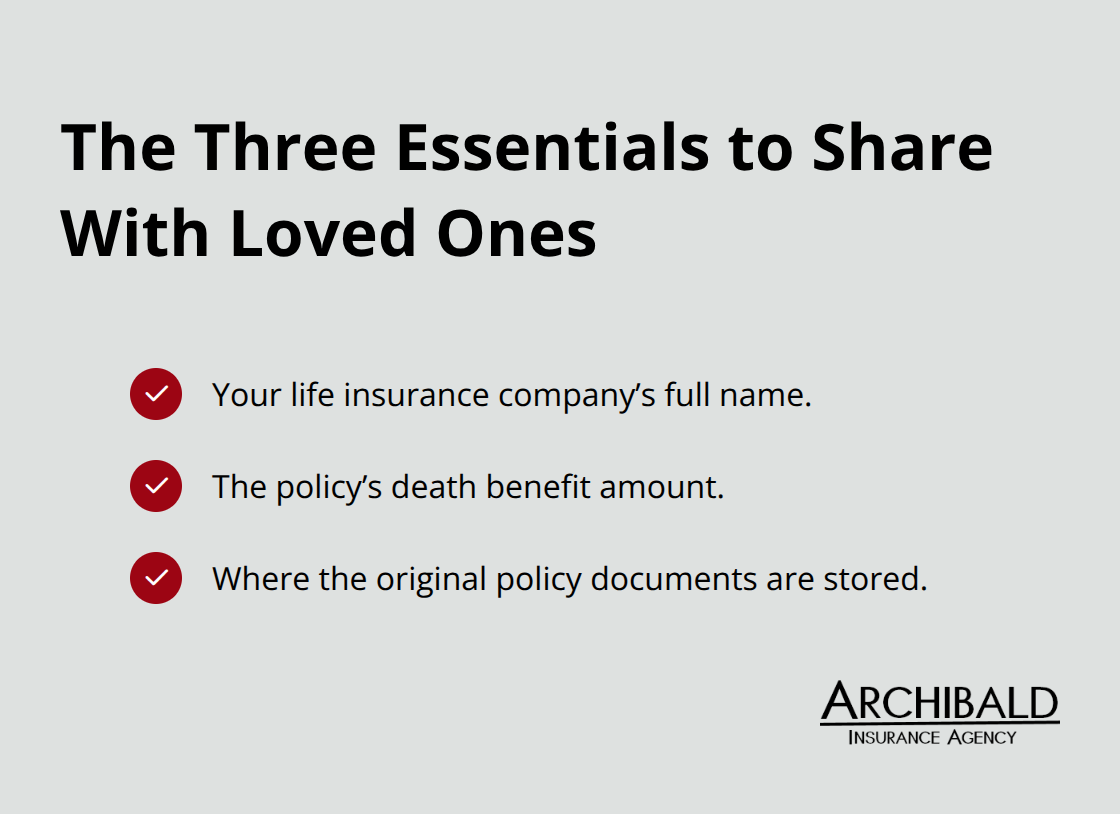
The solution to preventing family hardship is straightforward: name your beneficiaries clearly, tell them the policy exists, and keep that information accessible. Write down three essential facts: who your life insurance company is, what the benefit amount is, and where you store the policy. Share this information with your spouse, an adult child, or a trusted advisor.
When you first purchase a policy, review your policy within the free look period to confirm beneficiary information is correct and personal details match your records. This single step prevents your family from facing the nightmare of not knowing whether a policy exists. Once you understand what a beneficiary is and how designations work, the next step is choosing the right beneficiaries for your specific situation-a decision that depends on your family structure, financial goals, and long-term plans.
Choosing the Right Beneficiaries for Your Situation
Naming Spouses and Children as Beneficiaries
Your spouse and children are the most straightforward beneficiary choices, but the right decision depends on your family’s age, financial maturity, and circumstances. If your spouse is financially independent and your children are adults with stable incomes, naming them directly works fine. However, if your children are young or financially inexperienced, naming them directly creates a legal problem: minors cannot receive large sums of money, so the court must appoint a guardian to manage the funds until they turn eighteen or twenty-one, depending on Utah law. This process delays payouts and adds court fees your family must cover.
Using a Trust to Protect Young Children
A trust bypasses probate and gives you control over when and how your children receive money while avoiding court involvement entirely. You can specify that funds remain held until your child turns twenty-five or thirty, or that money gets released for education, medical emergencies, or other specific purposes. If you don’t have a trust yet, you can create a simple testamentary trust in your will that automatically becomes the beneficiary recipient (though consulting with an estate planning attorney ensures the trust coordinates properly with your life insurance). For blended families, naming a trust is especially important: it prevents confusion about whether stepchildren should receive benefits and lets you specify exact amounts for each child, protecting your intentions after you’re gone.
Designating Charitable Organizations as Beneficiaries
Organizations and charitable causes can also receive your death benefit. If you want a portion of your death benefit to support a cause you care about, name a qualified charity directly as a contingent beneficiary. This approach is straightforward and avoids probate for that portion.
Updating Beneficiaries After Major Life Changes
Utah law automatically revokes an ex-spouse as beneficiary upon divorce, but only in certain circumstances, so verification with your insurer is essential to confirm the change took effect. After remarriage, update your beneficiary to include your new spouse if that reflects your wishes. After the birth of a child, add that child as a contingent beneficiary or update your trust to include them. After a significant inheritance or business success, you might increase your death benefit or adjust how it’s distributed.
Set a calendar reminder to review your beneficiary designations every two to three years, or immediately after divorce, remarriage, birth, or death in your family. Contact your insurance company to request updated beneficiary forms, complete them carefully with full legal names and Social Security numbers, and keep copies with your policy documents and your estate plan. Once you have named your beneficiaries, the next step involves understanding how to formalize those choices and coordinate them with your broader estate planning strategy.
How to Designate and Update Your Beneficiaries
Complete Your Beneficiary Designation Form Correctly
The process of naming beneficiaries starts with a simple form from your insurance company, but executing it correctly requires attention to detail that most people overlook. Contact your life insurance carrier and request a beneficiary designation form, or access it through your online policy portal if available. Fill in the full legal names of your primary and contingent beneficiaries exactly as they appear on government identification, include their Social Security numbers, and specify their relationship to you. Many people rush through this step and use nicknames or partial names, which creates confusion when the insurer tries to locate the beneficiary after your death.
The insurer may delay the payout while they track down the correct person, or in worst cases, they may be unable to locate the beneficiary at all. Sign the form in front of a witness or notary if your policy requires it, keep a copy for your records, and file the original with your insurance company. Verify in writing that the insurer received and processed your designation before you consider the task complete.
Update Your Beneficiaries When Life Changes
Life changes happen fast, and your beneficiary designations should keep pace with them. After divorce, contact your insurer immediately to confirm that your ex-spouse has been removed as beneficiary under Utah Code 75-2-804, since the law automatically revokes the designation only in specific circumstances and verification protects you. After remarriage, birth of a child, or significant changes to your financial situation, submit a new beneficiary form with updated information.
Never assume verbal changes count, and never tell someone over the phone that you intend to change your beneficiary without completing the official paperwork. If you have a trust as part of your estate plan, name the trust as your beneficiary rather than individuals, which gives the trustee control over distributions and prevents probate delays.
Coordinate Your Beneficiary Designations with Your Estate Plan
Your beneficiary choices must work together with your overall estate planning strategy. Coordinate your life insurance designation with your estate planning attorney to confirm that the trust document and life insurance designation work together seamlessly. This alignment prevents conflicts between your will and your policy, ensuring your family receives benefits without unnecessary delays or complications. An independent insurance agency like Archibald Insurance Agency can help you navigate these forms and confirm that your designations align with your financial and estate planning goals.
Final Thoughts
Life insurance beneficiaries in Utah require intentional planning, not guesswork. The decisions you make today directly affect whether your family receives benefits quickly or faces months of delays and legal complications. Clear designations, accessible information, and regular updates protect your loved ones when they need support most.
Your beneficiary choices must reflect your current family situation, not circumstances from years ago. After divorce, remarriage, birth of a child, or major financial changes, update your designations immediately and coordinate your life insurance with your overall estate plan so your beneficiary choices work seamlessly with your will and trust. Name contingent beneficiaries to prevent your death benefit from flowing into probate, and if you have minor children, use a trust as your beneficiary rather than naming them directly (this avoids court involvement and gives you control over when they receive funds).
We at Archibald Insurance Agency help Utah families align their life insurance with their broader financial goals, ensuring their beneficiary designations protect their families the way they intend. Review your current life insurance policy and confirm your beneficiary information is accurate and up to date, then contact Archibald Insurance Agency to discuss whether your current coverage and beneficiary plan align with your family’s needs.
Disclaimer: The information provided in this blog is for general informational purposes only and does not constitute legal, financial, or insurance advice. Coverage options, terms, and availability may vary. Please consult with a licensed professional for advice specific to your situation


