

Term Life Insurance Utah: Guarding Your Family’s Future
Term life insurance in Utah offers straightforward protection at a price most families can afford. Whether you’re supporting a mortgage, raising children, or planning for your spouse’s future, the right coverage makes a real difference.
We at Archibald Insurance Agency help Utah residents find policies that match their actual needs and budgets. This guide walks you through everything from selecting the right term length to understanding what happens during the application process.
Why Term Life Insurance Matters in Utah
Protecting Your Family’s Financial Security
Term life insurance protects your family when they need it most, and the numbers show why Utah families rely on it. According to the National Association of Insurance Commissioners, term insurance generally offers the largest insurance protection for your premium dollar, making it the strongest choice for income replacement during your family’s peak years. A 30-year-old in Utah can secure a $500,000 20-year term policy for roughly $25 to $35 monthly, depending on health and the carrier. That affordable coverage keeps your mortgage paid, your children’s education funded, and your spouse’s standard of living intact if something happens to you.
The mechanics are straightforward: if you die within the term, your beneficiaries receive the full death benefit tax-free. If you outlive the term, the policy expires with no ongoing obligation. This simplicity appeals to Utah families who want real protection without complexity or unnecessary costs.
Understanding Coverage Amounts and Affordability
Many Utah residents hesitate because they believe term life insurance is expensive or that they need coverage they don’t actually require. Neither assumption holds up. Term premiums lock in at a low rate during your early years, and renewal or conversion options let you adjust coverage as your situation changes.
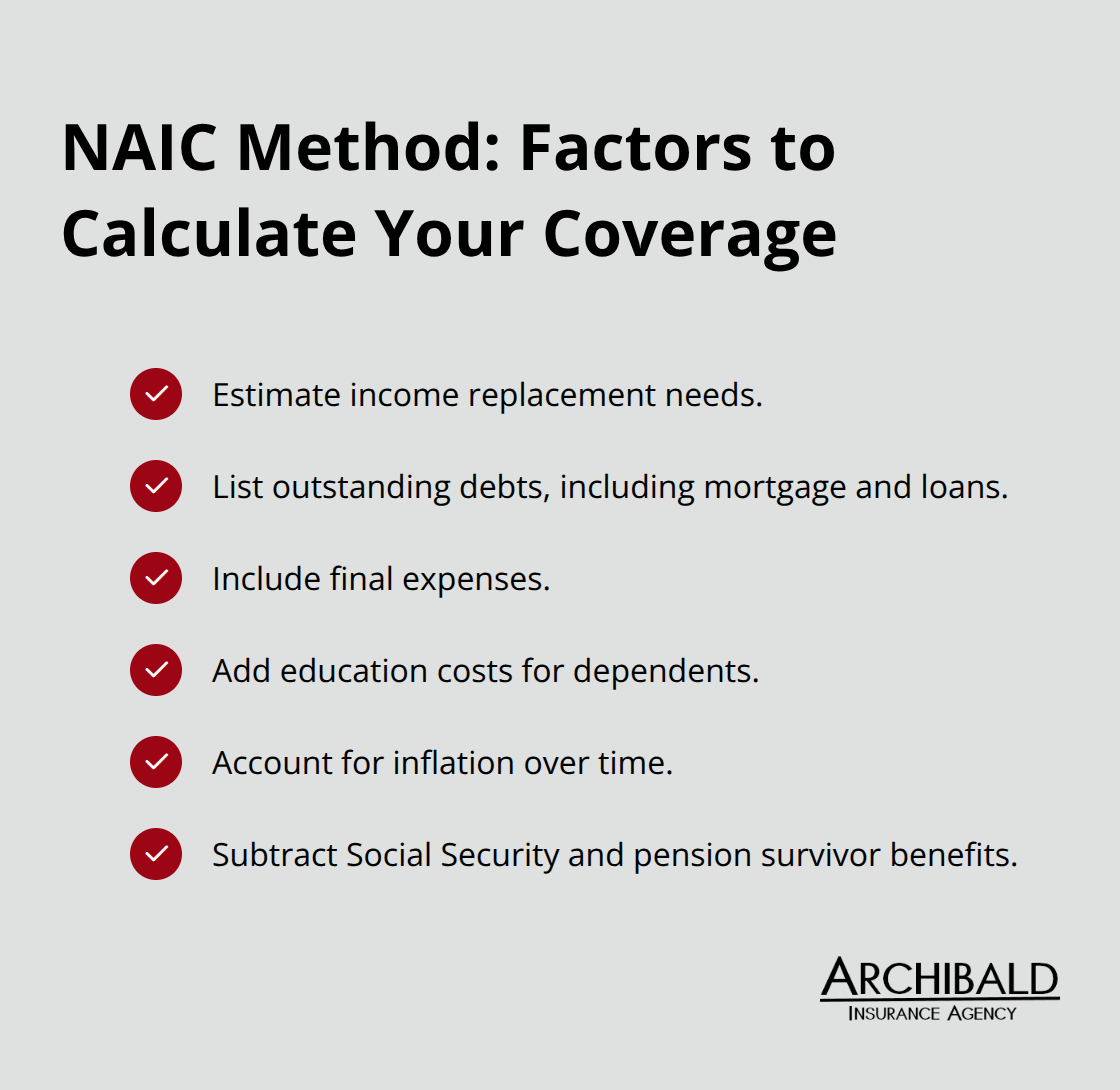
The NAIC Life Insurance Buyer’s Guide recommends calculating your coverage by considering income replacement, outstanding debts, final expenses, education costs, and inflation, then subtracting Social Security and pension survivor benefits. A practical example: if you earn $60,000 annually, carry a $250,000 mortgage, and have two children under 18, you likely need between $500,000 and $750,000 in coverage.
That specific calculation beats guessing and prevents both underinsurance and overpaying for coverage you’ll never use.
What Utah Law Requires You to Know
Utah’s regulatory environment, governed by Utah Administrative Code Rule R590, requires insurers to provide clear illustrations showing guaranteed versus non-guaranteed elements, so you know exactly what you’re buying. The Life Insurance Buyer’s Guide, required by Utah law, gives you a standardized way to compare policies across carriers before you commit. These protections mean you can shop with confidence, knowing that carriers present information consistently and transparently.
As you move forward with selecting a policy, the term length you choose becomes your next critical decision.
Choosing the Right Term Length for Your Situation
10-Year, 20-Year, and 30-Year Term Options
The term length you select determines how long your family stays protected and directly impacts your monthly premium. A 30-year-old Utah resident paying $30 monthly for a 20-year term pays roughly $7,200 total over the life of the policy, while the same person in a 30-year term might pay $45 monthly or $16,200 total. The difference matters, but so does the actual protection window. Most Utah families fall into one of three camps: those with young children who need coverage through the college years, those with mortgages that won’t be paid off for decades, and those approaching retirement who need shorter-term protection.
Matching Coverage Duration to Your Life Goals
NAIC Life Insurance Buyer’s Guide recommends matching your coverage duration to when your dependents become financially independent and when major debts disappear. A 10-year term makes sense if your mortgage will be paid in 12 years and your youngest child turns 18 in 8 years, so you’re covered during the overlap period when both obligations exist.
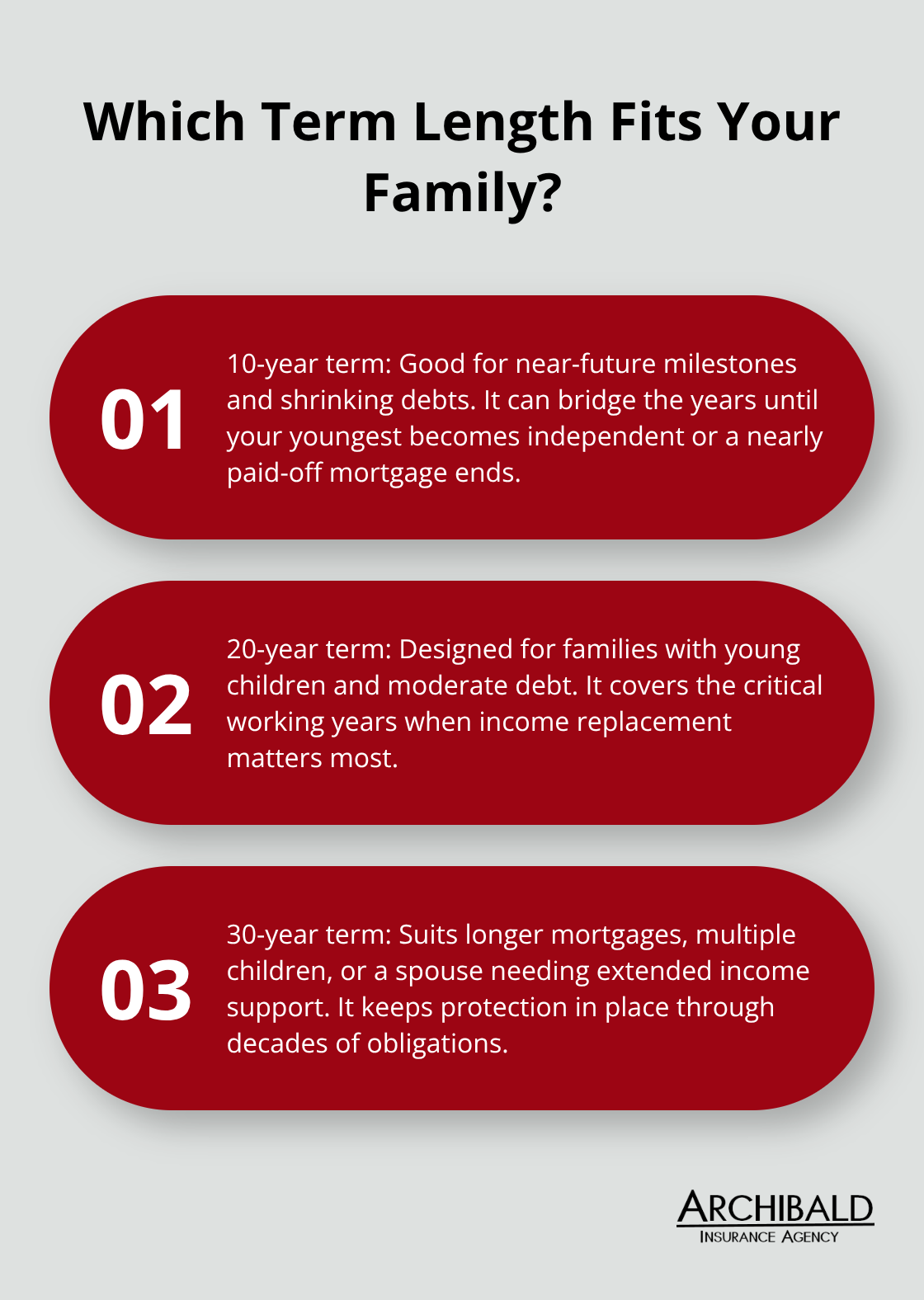
A 20-year term fits families with young children and moderate debt, providing protection through the critical years when income replacement matters most. A 30-year term appeals to Utah parents with multiple children, substantial mortgages, or spouses who will need long-term income support. Your actual situation, not industry averages, should drive this choice.
How Life Changes Impact Your Term Selection
Life changes force most Utah families to reconsider their term selection within five years. If you secured a 20-year policy at age 35 and now have a second child at age 39, that original term still expires when you’re 55, leaving your youngest unprotected until age 23. Conversely, if you planned for three children and only had one, a shorter term might have been smarter. Many policies include conversion rights that let you switch to permanent coverage during a specified window without new medical underwriting. This flexibility means you’re not locked into a poor choice if circumstances shift.
Utah residents commonly underestimate how often life reshuffles priorities. You should review your term selection every three to five years as your family grows, your mortgage balance drops, or your financial situation strengthens. Getting this decision right upfront saves money and prevents coverage gaps when your family needs protection most. Once you’ve settled on a term length that fits your goals, the next step involves understanding what happens when you actually apply for coverage.
What to Expect When Applying for Term Life Insurance
The application process for term life insurance in Utah moves faster than most people expect, but speed depends entirely on your health profile and how thoroughly you complete initial paperwork. Most Utah applicants receive approval or denial within two to four weeks, though straightforward cases with clean health histories close in as little as ten days. Underwriters immediately pull your medical records, prescription history, and Motor Vehicle Report the moment you submit your application to assess risk. This is why accuracy matters intensely on your application-any discrepancy between what you report and what insurers find in your records triggers delays, additional requests for information, or outright denial. Spend 20 to 30 minutes carefully completing your application rather than rushing through it, since corrections and follow-up questions typically add two to three weeks to your timeline.
The Medical Underwriting Reality
Health assessment happens in stages, and where you land on the risk spectrum determines which stage you enter. Applicants under age 50 with no serious health conditions often qualify for simplified underwriting, meaning no medical exam is required-just your health questionnaire and records review. Applicants aged 50 to 60 or those with manageable conditions like controlled diabetes or hypertension typically face a phone interview with a paramedical examiner who takes your blood pressure, pulse, and weight, plus collects blood and urine samples. Applicants over 60 or with significant health histories usually require a full medical exam at a location near your home, which includes EKG testing or additional diagnostics depending on your age and coverage amount. The National Association of Insurance Commissioners notes that most denials stem not from serious health conditions but from applicants misrepresenting their medical history or failing to disclose medications. If you’ve been treated for depression, high blood pressure, or back pain, disclose it completely-underwriters expect common conditions and often approve applicants with well-managed issues, but they deny applicants caught hiding information.
Shopping Multiple Carriers Efficiently
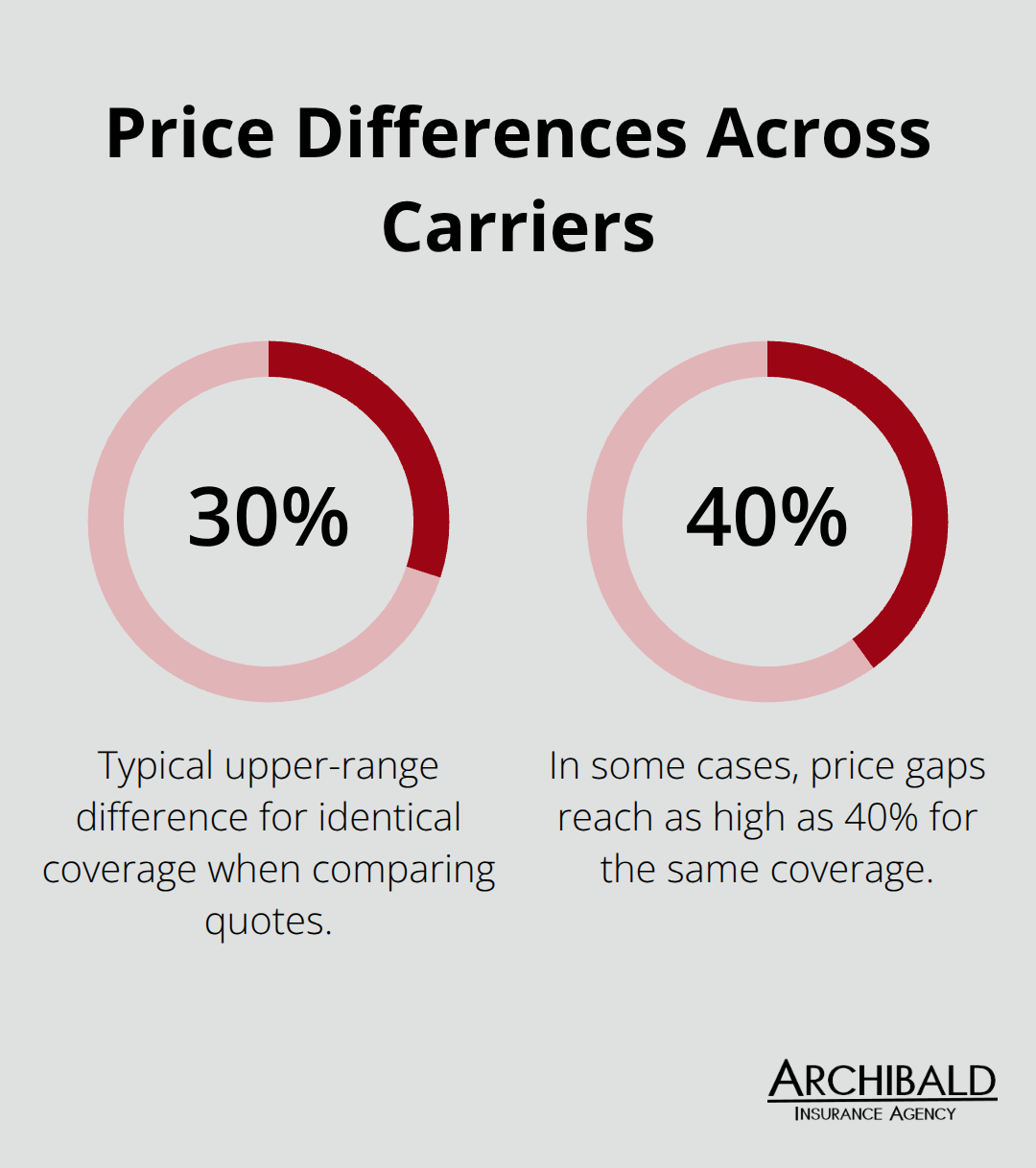
Quotes from multiple carriers reveal significant price differences-sometimes reaching 30 to 40 percent for identical coverage. Request quotes from five to seven carriers simultaneously, which takes about 48 hours to complete and costs you nothing.
Each quote reflects that carrier’s underwriting guidelines, preferred health categories, and pricing philosophy-some favor applicants with athletic lifestyles, others weight family history heavily, and a few specialize in approving applicants with past health issues. Rather than applying with multiple carriers independently (which triggers multiple medical exams and multiple inquiries on your record), work with an independent agent who can request preliminary quotes without formal applications. This approach lets you compare actual prices before committing to medical underwriting with a single carrier.
Why Applications Get Approved or Denied
Approval comes down to three factors: truthfulness on your application, manageable health conditions, and sufficient income to support the coverage amount. Underwriters approve applicants with high blood pressure, high cholesterol, and even past cancer diagnoses regularly, provided those conditions are disclosed and treated. Denial happens when applicants omit medications, misstate their smoking status, or apply for coverage amounts wildly disproportionate to their income-someone earning $40,000 annually applying for $2 million in coverage raises immediate red flags. Utah’s regulatory framework under Rule R590 requires carriers to explain denial reasons clearly, so if your application is rejected, you receive specific information about which factor triggered the decision. That transparency lets you address the issue with a different carrier or modify your application if the problem is correctable, like adding a non-smoker discount once you’ve actually quit smoking for twelve months.
Final Thoughts
Term life insurance in Utah protects your family’s financial future without straining your monthly budget. The coverage you select today determines whether your spouse can stay home with young children, whether your mortgage gets paid off, and whether your kids’ college funds remain intact if something happens to you. Start by calculating your actual coverage need using the NAIC method, then identify the term length that matches when your dependents become independent and your major debts disappear.
Most Utah families find that a 20 or 30-year term fits their situation better than shorter options, but your specific circumstances matter more than industry trends. Once you’ve settled on those two factors, request quotes from multiple carriers to see where prices differ and which underwriting approach favors your health profile. This three-step process removes the guesswork from one of the most important financial decisions you’ll make.
We at Archibald Insurance Agency specialize in helping Utah families navigate this exact process, and as an independent agency representing numerous insurance carriers, we can show you options from multiple companies rather than pushing you toward a single insurer’s products. Contact Archibald Insurance Agency in Salt Lake City, and we’ll walk you through finding the right term life insurance Utah coverage for your family’s peace of mind.
Disclaimer: The information provided in this blog is for general informational purposes only and does not constitute legal, financial, or insurance advice. Coverage options, terms, and availability may vary. Please consult with a licensed professional for advice specific to your situation


