Does Homeowners Insurance Cover HVAC Systems?

Your HVAC system represents one of the largest investments in your Utah home, often costing $5,000 to $15,000 to replace. When it breaks down, the question “does homeowners insurance cover HVAC” becomes urgent.

We at Archibald Insurance Agency see this confusion daily among Utah homeowners. The answer depends on what caused the damage and how well you’ve maintained your system.

When Does Homeowners Insurance Cover HVAC Damage

Standard homeowners insurance policies protect your HVAC system against specific types of damage, but the coverage is narrower than most Utah homeowners expect. Your policy will typically cover sudden mechanical breakdowns that electrical surges, lightning strikes, or power outages cause to your system’s components. The Insurance Information Institute reports that electrical damage accounts for roughly 13% of all homeowners insurance claims, which makes surge protection a valuable benefit.

Infographic showing that electrical damage makes up 13% of homeowners insurance claims in the U.S. - does homeowners insurance cover hvac

Weather-related damage from hail, windstorms, or fallen trees also falls under dwelling coverage, provided the damage happens suddenly rather than gradually.

Electrical and Mechanical Failures

Power surges from lightning or utility company issues can destroy your HVAC system’s control boards, motors, and compressors instantly. These sudden failures cost Utah homeowners an average of $2,500 to $4,500 to repair according to local HVAC contractors. Your insurance will cover these repairs minus your deductible, but you must prove the damage occurred suddenly. Keep your electrical panel updated and document any power issues in your neighborhood to support potential claims.

Storm and Weather Protection

Utah’s severe weather poses real threats to outdoor HVAC units. Hail damage to condenser coils and fan motors receives coverage under your dwelling or personal property protection. Wind damage from storms that blow debris into your unit also qualifies for coverage. The National Weather Service maintains detailed records of severe weather events through their Storm Events Database, which makes this coverage especially relevant for local homeowners.

Theft and Vandalism Coverage

HVAC theft has increased nationwide due to rising copper prices. Your homeowners policy covers stolen outdoor units, copper coils, and damaged ductwork from break-ins. File police reports immediately and photograph all damage to speed up your claim process. Most Utah insurers require proof of forced entry to approve theft claims for HVAC components. For contractors and businesses, specialized HVAC insurance provides additional protection beyond standard policies.

However, these coverage scenarios represent only part of the story. Many common HVAC problems fall outside standard policy protection, which creates gaps that catch homeowners off guard.

When Homeowners Insurance Won’t Cover HVAC Repairs

Your homeowners insurance policy contains specific exclusions that leave Utah homeowners exposed to thousands of dollars in HVAC repair costs. The most expensive exclusion involves normal wear and tear, which accounts for the majority of HVAC failures. Components like compressors, heat exchangers, and blower motors naturally deteriorate over their 15 to 20-year lifespan, and your insurance policy explicitly excludes these gradual failures. Utah’s extreme temperature swings from subzero winters to 100-degree summers accelerate this wear, which makes these exclusions particularly costly for local homeowners.

Normal Wear and Tear Exclusions

Insurance companies refuse to cover components that fail through normal use. Your compressor will eventually wear out after years of operation, and your heat exchanger will develop cracks from repeated heating cycles. These failures cost $3,000 to $5,000 to repair but receive zero coverage under standard policies. The Insurance Information Institute classifies wear and tear as common exclusions rather than insurable events. Utah homeowners face higher replacement costs due to elevation changes that stress HVAC systems beyond their design limits.

Maintenance-Related Failures Cost You Everything

Insurance companies deny claims when poor maintenance causes HVAC damage. Dirty air filters restrict airflow and cause compressor burnout (costing $3,000 to $5,000 to replace). Skipped annual tune-ups lead to refrigerant leaks, frozen coils, and electrical failures that policies won’t cover. Insurers require documented maintenance records for any HVAC claim approval. Change filters monthly during peak seasons, schedule annual professional inspections, and keep every service receipt. Without this documentation, your insurer will classify expensive repairs as maintenance-related and deny coverage entirely.

Checklist of HVAC maintenance actions that help avoid insurance claim denials. - does homeowners insurance cover hvac

Pre-Existing Problems Void Your Coverage

Insurance policies exclude damage from pre-existing conditions that existed before your coverage began. HVAC systems with existing problems like refrigerant leaks, failing capacitors, or worn ductwork receive no protection under new policies. Most insurers require HVAC inspections for homes over 20 years old specifically to identify these exclusions. Age-related deterioration in older systems creates ongoing liability that insurance companies refuse to accept.

Understanding these exclusions helps you prepare for the gaps in your coverage and explore additional protection options that can shield you from unexpected repair costs.

How to Maximize Your HVAC Coverage in Utah

Utah homeowners who document every HVAC maintenance activity create strong insurance claims that adjusters approve quickly. Keep detailed service records that include filter change dates, refrigerant level checks, and annual tune-up reports from licensed contractors. Documenting routine HVAC maintenance is crucial for both insurance claims and risk management to distinguish between covered sudden failures and excluded maintenance issues. Your maintenance log should record specific work performed, parts replaced, and contractor license numbers. Take photographs of your HVAC system before and after service calls to establish baseline conditions. Schedule professional inspections every spring and fall, because Utah’s extreme temperature swings stress systems beyond manufacturer specifications.

Document Everything for Claim Success

Your insurance company will scrutinize every detail when it processes HVAC claims worth thousands of dollars. Create a dedicated file that contains purchase receipts, warranty information, and every service invoice since installation. Digital photos of your system taken quarterly help establish pre-loss conditions that adjusters need for accurate damage assessments. Most Utah insurers accept claims faster when homeowners provide this comprehensive documentation package immediately after damage occurs.

Know Your Policy Limits Before You Need Them

Standard Utah homeowners policies cap HVAC coverage between $5,000 and $25,000 (depending on your dwelling coverage limits). Equipment breakdown coverage provides additional protection for mechanical failures that basic policies exclude. These endorsements cost $50 to $150 annually but cover expensive compressor replacements and control system failures that normal wear exclusions would deny. Review your deductible amounts because $2,500 deductibles make small HVAC repairs financially worthless to claim.

Add Equipment Breakdown Protection Now

Equipment breakdown coverage transforms your policy from basic protection into comprehensive HVAC insurance that covers sudden mechanical failures, power surge damage, and electrical component burnout. This endorsement costs less than one service call but covers repairs that standard policies reject. Contact independent agents who represent multiple carriers to compare equipment breakdown options that fit Utah climate conditions and your specific HVAC system requirements (many agents can quote multiple options within hours).

Hub-and-spoke graphic showing key protections provided by equipment breakdown coverage for HVAC systems.

Final Thoughts

The question “does homeowners insurance cover HVAC” has a complex answer that depends on the cause of damage and your maintenance history. Standard policies protect against sudden electrical failures, storm damage, and theft but exclude normal wear and tear that causes most HVAC problems. Utah homeowners face higher risks due to extreme temperature swings that stress systems beyond typical limits.

Equipment breakdown coverage fills the gaps that standard policies leave open. This endorsement costs $50 to $150 annually but covers mechanical failures worth thousands of dollars (often exceeding $5,000 for major component replacements). Document every maintenance activity with receipts and photos to support future claims.

Contact your insurance agent immediately after any HVAC damage occurs. Review your policy limits annually because standard coverage caps may not cover full replacement costs for newer high-efficiency systems. We at Archibald Insurance Agency help Utah homeowners compare coverage options from multiple carriers to find comprehensive protection.

Homeowners Insurance Comparison Guide

Choosing the right homeowners insurance policy protects your most valuable investment. Utah homeowners face unique risks from natural disasters, varying construction costs, and local market conditions.

We at Archibald Insurance Agency help property owners navigate the homeowners insurance comparison process. This guide breaks down coverage types, rate factors, and comparison strategies to help you make informed decisions.

What Coverage Do You Actually Need?

Structure Protection Forms Your Foundation

Dwelling coverage protects the physical structure of your home, including walls, roof, foundation, and attached structures like garages. Utah homeowners need adequate dwelling coverage because construction costs rose 40% between 2019 and 2024.

Infographic showing construction costs rose 40% between 2019 and 2024.

Most insurers require coverage equal to the replacement cost of your home, not its market value. The average home cost in Utah reaches approximately $518,000, which impacts insurance premiums due to higher dwelling limits needed. State Farm offers automatic inflation adjustments to help keep pace with construction costs, while Chubb provides extended replacement cost coverage that goes beyond policy limits.

Personal Property Coverage Protects Your Belongings

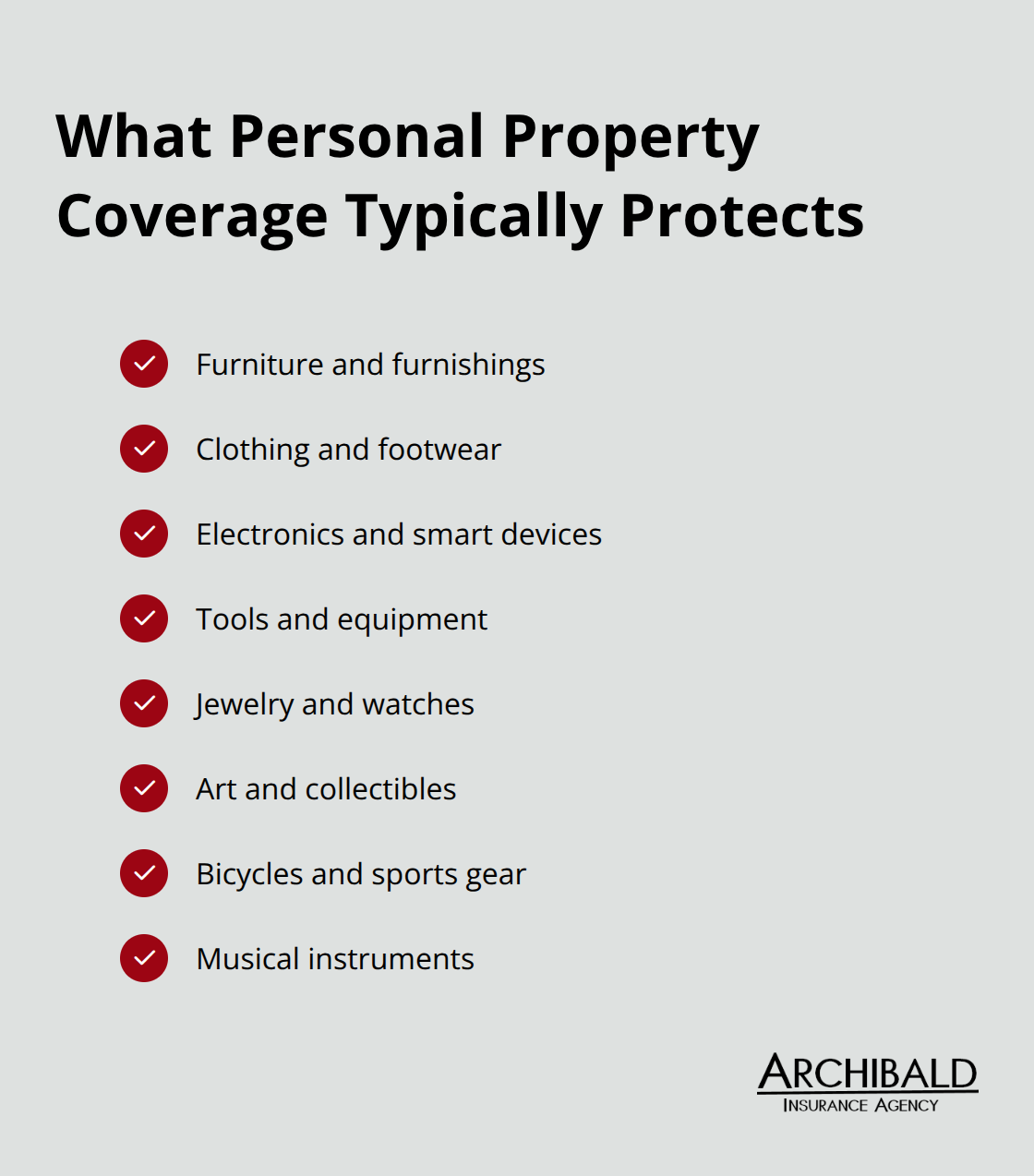
Personal property coverage protects your belongings inside the home, typically covering 50-70% of your dwelling coverage amount. Replacement cost coverage pays for new items of similar quality, while actual cash value considers depreciation.

Wind and hail damage affects 2.8 percent of insured homes in a five-year period, which makes adequate personal property limits essential. USAA offers specialized coverage for military uniforms, while Amica provides electronic coverage for modern technology needs.

Liability Coverage Shields You From Lawsuits

Liability coverage protects against lawsuits from accidents on your property, with most policies starting at $100,000. However, homeowners with significant assets should consider umbrella insurance to increase liability protection beyond standard limits.

This coverage becomes particularly important when you consider that medical costs and legal fees can quickly exceed basic policy limits. Understanding how these three coverage types work together helps you evaluate quotes more effectively when you compare different insurance carriers and their rate structures.

What Drives Your Insurance Costs Up or Down

Your location determines the biggest portion of your homeowners insurance premium. Utah homeowners pay an average of $894 annually, which sits below the national average. Salt Lake City residents face higher costs compared to St. George, which reflects different risk profiles across the state. The most expensive areas correlate directly with wildfire zones, earthquake fault lines, and flood-prone regions where insurers face higher claim frequencies.

Natural Disasters Shape Premium Calculations

Utah’s natural disaster profile includes wildfires, earthquakes, floods, and severe winter weather. Weather disasters caused $92.9 billion in insured losses nationwide in 2023, which drove up reinsurance costs that doubled between 2017 and 2023. Insurers price policies based on proximity to wildfire zones, earthquake fault lines, and flood plains. Homes near the Wasatch Fault face earthquake risk surcharges, while properties in wildland-urban interface areas pay wildfire premiums.

Hub-and-spoke diagram showing disaster risks and their impact on premiums in Utah. - homeowners insurance comparison

Home Characteristics Control Rate Variations

Construction materials directly impact your rates. Brick and stone homes cost less to insure than wood frame structures due to fire resistance. Homes built before 1980 face higher premiums because older electrical systems, plumbing, and roofs create increased claim risks. Impact-resistant roofs can reduce premiums between 2-35% (depending on your insurer), while security systems and monitored fire alarms generate additional discounts.

Credit Scores Create Dramatic Price Differences

Utah homeowners with poor credit pay significantly more annually compared to good credit holders, which represents a substantial increase according to industry data. Insurance companies use credit-based insurance scores to predict claim likelihood, which makes credit improvement a direct path to lower premiums. Claims history affects rates for three to five years, with multiple claims potentially leading to non-renewal rather than just rate increases.

These rate factors work together to create your final premium, but you can control many of these variables through smart choices. The next step involves comparing quotes from multiple carriers to find the best combination of coverage and price for your specific situation.

How Do You Compare Insurance Quotes Effectively

Smart quote comparison starts with quotes from at least three different carriers within the same week, since rates change frequently. State Farm offers the cheapest homeowners insurance in Utah at $1,250 annually, while USAA provides military families coverage around $1,300 per year. Chubb commands premium rates but includes complimentary wildfire defense services and extended replacement cost coverage. Request quotes with identical coverage limits and deductibles to make accurate comparisons, then focus on the total annual premium rather than monthly payments that can hide fees.

Match Coverage Limits Across All Quotes

Set your dwelling coverage at your home’s full replacement cost, not market value, since construction costs have increased significantly in recent years. Personal property limits should reflect your actual possessions value, with replacement cost coverage worth the extra premium over actual cash value policies. Liability coverage starts at $100,000, but homeowners with assets that exceed $500,000 need umbrella policies for adequate protection. Deductible choices directly impact premiums – you can reduce costs by double-digit percentages when you raise your deductible from $500 to $1,000.

Examine Policy Exclusions and Special Features

Standard policies exclude earthquake and flood damage, which forces Utah homeowners to purchase separate coverage or endorsements. Amica offers exceptional customer service with low complaint rates, while Auto-Owners charges significantly more at $3,587 annually for comparable coverage. Review each carrier’s claims process, financial stability ratings, and available discounts for security systems or policy bundles. Travelers Insurance averages $1,160 annually and provides competitive rates, but verify their coverage exclusions match your risk tolerance before you make decisions.

Request Detailed Quote Breakdowns

Ask each insurer to itemize their quote components so you can identify where price differences occur. Some carriers charge separate fees for policy administration, while others include these costs in the base premium. Compare the actual coverage amounts rather than just the category names, since “full replacement cost” varies between companies. If you call an independent insurance agent, they can quote with multiple companies so you can compare coverage and pricing options. Document each quote’s effective date and expiration terms to avoid gaps in coverage when you switch carriers.

Final Thoughts

Your homeowners insurance comparison demands careful evaluation of coverage types, rate factors, and carrier options. Utah homeowners benefit from below-average premiums at $894 annually, but natural disaster risks require adequate dwelling coverage and specialized endorsements for earthquakes and floods. Independent insurance agents provide access to multiple carriers simultaneously, which streamlines the comparison process and identifies coverage gaps you might miss when you shop alone.

Document your home’s replacement cost, personal property value, and liability needs before you request quotes. Get quotes from at least three carriers with identical coverage limits, then review policy exclusions and available discounts. Consider bundling home and auto insurance for potential savings up to 30% (and evaluate deductible increases that can reduce premiums significantly).

Infographic showing potential savings up to 30% from bundling home and auto insurance. - homeowners insurance comparison

We at Archibald Insurance Agency represent numerous insurance carriers and offer personalized solutions that fit your specific needs and budget. Schedule consultations with independent agents who can quote multiple carriers and explain coverage differences. Your home represents your largest investment, and proper insurance protection requires professional guidance to navigate Utah’s unique risk landscape effectively.

Homeowners Insurance for Rental Property Owners

Owning rental property in Utah comes with unique insurance challenges that standard homeowners policies simply don’t address. Regular homeowners insurance for rental property falls short when protecting against tenant-related risks and lost rental income.

We at Archibald Insurance Agency see landlords make costly mistakes by assuming their existing coverage will protect their investment properties. The right rental property insurance protects both your physical investment and your income stream.

Why Standard Homeowners Insurance Fails Rental Property Owners

Standard homeowners insurance assumes you live in the property, which creates massive coverage gaps for rental properties. The Insurance Information Institute reports that property damage, including theft, accounted for 97.3 percent of homeowners insurance claims, highlighting the importance of proper coverage for tenant-related damages and rental income loss. Your homeowners insurer will deny claims if they discover you rent out a property covered under a personal residence policy.

Three reasons standard homeowners insurance falls short for rental properties - homeowners insurance for rental property

Tenant Liability Exposes You to Higher Risks

Rental properties face higher insurance costs than owner-occupied homes due to increased liability risks. The average monthly cost increased from $39 per unit in 2019 to $68 per unit in 2024, an increase of more than 75 percent. Landlord insurance provides liability protection up to $1 million for tenant injuries on your property, while homeowners insurance may deny these claims entirely.

Loss of Rental Income Protection Matters

Loss of rental income coverage protects against disasters that make your property uninhabitable. Standard homeowners policies exclude this protection completely, which leaves you without income while you repair covered damage. This coverage becomes essential when considering the rising costs of property insurance and potential extended repair periods.

Property Damage Coverage Works Differently

Landlord insurance covers fire, wind, hail, vandalism, and theft specifically for rental properties, while homeowners insurance excludes coverage when tenants occupy the property. Your policy must include replacement cost coverage for the structure and any appliances you provide to tenants. Personal property coverage in landlord insurance protects maintenance equipment and appliances, not tenant belongings.

These specialized coverage differences become even more important when you consider the various types of protection available for rental insurance property.

What Coverage Types Protect Rental Property Investments

Dwelling coverage forms the foundation of rental property insurance and protects the physical structure against fire, wind, hail, vandalism, and theft. The National Association of Insurance Commissioners recommends replacement cost coverage rather than actual cash value, which depreciates over time. Replacement cost coverage costs approximately 10% more but pays the full rebuilding cost without depreciation deductions.

Essential rental property insurance coverages at a glance - homeowners insurance for rental property

Property owners should calculate dwelling coverage based on current construction costs, which have increased significantly nationwide in recent years according to federal data. We recommend annual policy reviews to adjust coverage limits as construction costs continue to rise.

Personal Property Protection for Landlords

Personal property coverage in landlord policies protects appliances, maintenance equipment, and fixtures you provide to tenants. This coverage typically ranges from $10,000 to $50,000 and includes refrigerators, washers, dryers, and lawn equipment stored on the property. Coverage excludes tenant belongings (which require separate renters insurance).

Appliance coverage becomes valuable when you consider that tenant-caused damages affect rental properties annually. Typical repair costs can be substantial per claim, making this protection essential for landlords who provide appliances.

Umbrella Insurance Adds Essential Protection

Umbrella insurance provides additional liability protection beyond standard landlord policy limits and typically starts at $1 million coverage for $200 to $400 annually. This coverage protects against lawsuits that exceed your base policy limits, which becomes essential when landlord claims frequently involve property damage and liability protection issues.

Umbrella policies also cover legal defense costs, which can reach $50,000 even for unsuccessful lawsuits. Property owners with multiple rentals or high-value properties should consider umbrella coverage mandatory protection against catastrophic liability claims (especially in today’s litigation-heavy environment).

These coverage types work together to protect your investment, but their costs vary significantly based on several key factors that affect your premium calculations.

What Drives Your Rental Property Insurance Costs

Property location dominates insurance rates more than any other factor, with crime rates creating significant premium differences between neighborhoods. Utah properties in Salt Lake City’s higher-crime areas pay significantly more than those in Park City or St. George. High-crime areas can quickly increase insurance premiums, while living in low-crime areas helps keep costs manageable. Landlords should check local crime statistics before they purchase rental properties, as insurance costs can eliminate profit margins in high-risk locations.

Tenant Types and Lease Terms Impact Premiums

Insurance companies charge higher premiums for short-term rentals and month-to-month leases due to increased turnover risks. Properties with leases under six months face premium increases of 15% to 25% because frequent tenant changes create more liability exposure and property damage risks. Student rentals and vacation properties command the highest premiums (often 50% above standard rental rates). Long-term tenants with stable employment histories reduce insurance costs, while properties that require tenant background checks and security deposits qualify for discounts with many insurers.

Hub-and-spoke view of the main factors that influence landlord insurance premiums

Property Age and Materials Determine Base Rates

Properties built before 1980 face higher premiums due to outdated electrical, plumbing, and heating systems that increase fire and water damage risks. Older homes often have character but can result in higher insurance rates, as insurers view aging plumbing and wiring as risks. Construction materials significantly affect rates, with brick and stone structures that receive discounts of 5% to 15%, while wood frame construction in wildfire-prone areas faces surcharges. Properties with updated roofs, HVAC systems, and electrical panels within the last 10 years qualify for modernization discounts that can reduce premiums by 10% to 20% (making these upgrades financially worthwhile for most landlords).

Final Thoughts

Utah rental property owners require specialized coverage that standard homeowners insurance for rental property cannot provide. The increased liability risks and potential income loss make proper protection essential for investment success. Property owners who rely on basic homeowners policies expose themselves to significant financial risks.

Document your property value, monthly rental income, and local risk factors to establish appropriate coverage limits. Request quotes that include dwelling protection, liability coverage up to $1 million, and loss of rental income benefits. Multiple carriers offer different rates for identical properties, so comparison shopping saves money while maximizing protection.

We at Archibald Insurance Agency work with multiple insurance carriers to find solutions that match your specific needs and budget (our team understands Utah’s rental market challenges). Our Salt Lake City experts help landlords navigate coverage options that protect both property investments and income streams. Contact Archibald Insurance Agency today to review your rental property insurance requirements and secure comprehensive protection.

Homeowners Insurance Personal Liability Coverage

Your homeowners insurance personal liability coverage protects you when accidents happen on your property. This protection extends far beyond basic property damage.

We at Archibald Insurance Agency see Utah homeowners face liability claims ranging from $15,000 slip-and-fall incidents to $500,000 dog bite settlements. Understanding your coverage limits could save you from financial disaster.

What Personal Liability Coverage Actually Pays For

Personal liability coverage in your homeowners policy operates through three distinct payment categories that activate when someone gets injured on your property or when you damage their belongings. Understanding these coverage areas helps Utah homeowners protect their assets from unexpected lawsuits and financial exposure.

Bodily Injury Protection Beyond Your Property

When a guest slips on your icy driveway or gets injured by your dog at the park, personal liability coverage pays their medical bills, lost wages, and pain and suffering damages. This protection follows you anywhere in the United States and covers incidents that involve your family members even when they occur away from home. The National Association of Insurance Commissioners data shows that 85% of homeowners feel more secure when they know they have this financial protection against unforeseen incidents.

85% of homeowners feel more secure with personal liability coverage in the United States. - homeowners insurance personal liability

Property Damage Coverage You Can Count On

Your policy also covers damage your family causes to others’ property, whether your child accidentally breaks a neighbor’s window or your tree falls on their car during a storm. This coverage extends to incidents both on and off your property (including vacation mishaps or accidents at friends’ homes). Property damage claims can range from minor incidents like broken electronics to major structural damage that costs thousands to repair.

Legal Defense and Attorney Fee Protection

Your liability coverage handles attorney fees, court costs, and settlements up to your policy limits when legal action arises from covered incidents. Standard Utah homeowners policies typically offer liability limits from $100,000 to $500,000, though many carriers recommend coverage that matches or exceeds your net worth for adequate asset protection. Personal umbrella insurance provides extra protection when your standard policy limits are exhausted. These scenarios highlight why understanding your specific risk factors becomes the next step in determining your ideal coverage amount.

Common Liability Scenarios Homeowners Face

Utah homeowners encounter three types of liability scenarios that create the majority of personal injury lawsuits and insurance claims. Slip and fall accidents on residential properties result in significant settlements, with winter ice conditions in Utah creating particularly high-risk periods from December through March. These incidents often occur when homeowners fail to maintain safe walkways, clear snow and ice promptly, or address hazardous conditions like loose handrails or uneven surfaces.

Dog Bite Claims Cost More Than Most Homeowners Expect

Dog bite incidents create some of the most expensive liability claims, with average payouts that reached $69,272 per incident nationwide in 2024. Utah ranks among states with higher dog bite claim frequencies, particularly affecting homeowners with certain breeds that some insurers restrict or exclude from coverage. Pet-related injuries extend beyond bites to include incidents where dogs knock down elderly visitors, chase cyclists, or cause accidents when they run loose in neighborhoods.

Children Create Unexpected Financial Exposure

Family members, especially children, create liability claims that catch many Utah homeowners off guard. These incidents range from children who accidentally damage neighbors’ property while they play to teenage parties that result in injuries or property damage. The coverage extends to incidents away from home, which means parents remain liable when their child causes damage at friends’ houses, schools, or community events.

Winter Weather Amplifies Utah Liability Risks

Utah’s harsh winter conditions (with temperatures dropping below freezing for months) significantly increase slip and fall risks on residential properties. Homeowners face higher liability exposure when they fail to salt walkways, remove ice dams, or maintain adequate outdoor lighting during shorter daylight hours. These seasonal factors make adequate coverage limits even more important for Utah residents who want to protect their assets from weather-related liability claims.

How Much Liability Coverage You Actually Need

Standard Utah homeowners policies offer liability limits of $100,000, $300,000, and $500,000, but many Utah homeowners carry insufficient coverage according to National Association data. This leaves many residents financially exposed when they face serious liability claims. We recommend that you select coverage that matches or exceeds your total net worth, which means homeowners with $400,000 in assets should carry at least $500,000 in liability protection.

High-Risk Property Features Require Higher Coverage

Swimming pools create additional liability exposure compared to homes without pools, while trampolines and certain dog breeds create additional exposure that standard coverage limits cannot handle. Utah homeowners with these features should start with $500,000 minimum coverage and consider higher limits. Properties with guest houses, home businesses, or frequent entertainment also require enhanced protection since increased foot traffic directly correlates with higher accident rates.

High-risk property features that call for higher liability limits for Utah homeowners.

Standard Coverage Limits in Utah

Most Utah insurers offer three standard liability tiers that homeowners can choose from based on their risk profile and asset protection needs. The $100,000 option provides basic protection but falls short for most serious claims (especially those that involve permanent injuries or extensive property damage). The $300,000 tier covers moderate incidents but may not protect homeowners with significant assets from major lawsuits. The $500,000 option offers better protection for most Utah families and costs only marginally more than lower limits.

Summary of $100k, $300k, and $500k homeowner liability tiers in Utah. - homeowners insurance personal liability

Umbrella Policies Fill Critical Coverage Gaps

Umbrella insurance starts at $1 million coverage for approximately $200-300 annually and activates when your homeowners liability limits are exhausted. This protection becomes essential for Utah professionals, business owners, or anyone with significant assets who face higher lawsuit targets. The Insurance Information Institute reports that legal defense costs alone can exceed $10,000 even for unfounded claims, which makes umbrella coverage a smart financial decision for homeowners who carry less than $500,000 in standard liability protection.

Final Thoughts

Adequate homeowners insurance personal liability coverage protects your financial future from unexpected lawsuits and medical claims that can reach hundreds of thousands of dollars. The peace of mind that comes with proper coverage limits allows Utah homeowners to focus on their families rather than worry about potential financial disasters from accidents on their property. You need to review your current policy to reveal dangerous coverage gaps that leave your assets exposed.

Check your liability limits against your net worth and assess your property’s risk factors like pools or pets. Consider whether umbrella insurance makes sense for your situation (many Utah homeowners discover they need higher limits than their current policies provide). Most families underestimate their liability exposure until they face their first serious claim.

We at Archibald Insurance Agency help Utah families navigate these coverage decisions through personalized consultations that match your specific needs and budget. As an independent agency, we compare options across different insurers to find the right protection levels at competitive rates. Our team builds relationships with clients by providing expert advice and exceptional service that keeps your family protected against unforeseen events.

Why Choose Independent Insurance Agents in Salt Lake City

Salt Lake City residents face unique insurance challenges, from winter weather risks to earthquake exposure. Independent insurance agents in Salt Lake City offer solutions that captive agents simply can’t match.

We at Archibald Insurance Agency work with multiple carriers to find coverage that fits your specific needs and budget. This approach gives you more options and better protection for what matters most to you.

What Makes Independent Agents Different

Independent agents represent multiple insurance carriers and provide access to dozens of coverage options instead of one company’s limited products. Independent agents handle a significant portion of the property and casualty insurance market nationwide, which demonstrates their substantial market presence. This multi-carrier approach means you get competitive prices through real comparison shopping rather than accept whatever rate one company offers.

More Coverage Options Mean Better Protection

Independent agents access both large national carriers and smaller regional companies that often provide competitive rates unavailable through direct writers. A study by the Independent Insurance Agents & Brokers of America shows clients save an average of 20% on premiums compared to direct insurers. This savings comes from agents who shop multiple carriers simultaneously and require you to share your information just once while you receive quotes from various companies.

Percentage-based highlights for Salt Lake City insurance decisions - independent insurance agents salt lake city

Local Knowledge Creates Better Solutions

Salt Lake City independent agents understand Utah’s specific insurance requirements, including the state’s minimum auto coverage mandates of $25,000 per person and $65,000 per accident for bodily injury (plus $15,000 for property damage). They know local risk factors like wildfire exposure in foothill areas and earthquake zones throughout the valley. This regional expertise helps them recommend appropriate coverage limits and additional protections that out-of-state call centers might miss. Over 60% of policyholders report higher satisfaction with independent agents compared to direct writers, according to industry surveys.

Advocacy When You Need It Most

Independent agents have a legal obligation to act in your best interests, not their employer’s bottom line. They advocate for you during claims processes and can switch you to different carriers if service issues arise while they maintain your relationship with the same agent. This client-focused approach contrasts sharply with captive agents who must prioritize their single company’s products and policies above client needs.

Benefits of client-first advocacy by independent agents - independent insurance agents salt lake city

The differences between independent and captive agents extend far beyond simple product access and create fundamental advantages in how your insurance needs are handled.

Why Captive Agents Can’t Match Independent Service

Captive agents work for single insurance companies and face restrictions that independent agents never encounter. These agents must sell only their employer’s products regardless of whether those options suit your needs or budget. When State Farm’s rates increase 15% next year, their captive agent cannot shop competitors to find you better prices. Independent agents face no such limitations and can immediately move your coverage to more competitive carriers when rate hikes occur.

Product Selection Creates Real Savings

Independent agents access dozens of carriers simultaneously while captive agents offer one company’s limited product lineup. This difference creates substantial financial impact for Salt Lake City residents. The top 10 property and casualty companies have a cumulative market share of 51.40%, which demonstrates the concentration in the insurance market. When your home insurance renewal arrives with a 25% increase, independent agents can quote five different carriers within hours. Captive agents must explain why their single company’s rate hike is unavoidable.

Independent agents also access smaller regional carriers that often provide competitive rates unavailable through large direct writers. This gives you options that captive agents simply cannot offer (and often don’t even know exist).

Hub-and-spoke visual of independent agent advantages vs. captive limitations

Relationships Survive Company Changes

Independent agents maintain relationships with clients even when they switch carriers, while captive agents lose clients who change companies. This continuity proves invaluable when your insurance needs evolve or when service issues arise. Independent agents can move your coverage between carriers while they preserve years of relationship history and understanding of your specific situation.

Studies show that clients who work with independent agents report higher satisfaction rates compared to those who use captive agents. This stems from personalized service and the agent’s ability to prioritize client needs over company quotas (rather than push specific products to meet sales targets).

Flexibility Extends Beyond Products

The constraints that bind captive agents affect more than just product selection. These agents must follow rigid company protocols for claims handling, policy modifications, and customer service procedures. Independent agents adapt their approach to each client’s unique circumstances and can advocate more aggressively during disputes or claims issues.

Salt Lake City’s insurance market presents specific challenges that require this flexibility, particularly when local conditions affect coverage needs.

What Local Advantages Do Salt Lake City Agents Provide

Salt Lake City independent agents possess specialized knowledge that makes them indispensable for Utah residents who navigate complex insurance decisions. These agents understand that Utah homeowners face earthquake exposure throughout the Wasatch Fault zone, which runs directly through the Salt Lake Valley and requires specific seismic coverage considerations that agents in other states might overlook. They know that homes in foothill areas like Millcreek and Park City face elevated wildfire risks, with wildfire prevention campaigns reducing such fires by 43% since 2021 compared to the previous decade. This local expertise translates into precise coverage recommendations rather than generic policies that leave gaps in protection.

Regional Risk Assessment Creates Better Coverage

Independent agents in Salt Lake City recognize that winter weather creates unique liability exposures for Utah property owners, from ice dam damage to slip-and-fall incidents on icy walkways. They understand that Utah’s high altitude and temperature fluctuations cause specific property damage patterns, including foundation settling and roof damage from freeze-thaw cycles. These agents recommend appropriate coverage limits for winter-related claims and know which carriers handle Utah weather claims most efficiently. They also understand that Utah’s population growth has increased property values, with median home prices rising 3% to $530,500 in 2024, requiring regular coverage adjustments to prevent underinsurance situations that could leave homeowners financially exposed during total loss claims.

Community Connections Deliver Real Benefits

Local independent agents maintain relationships with Utah-based contractors, adjusters, and service providers who understand regional construction standards and repair costs. These connections prove invaluable when claims processes require qualified professionals who can work efficiently within your insurance coverage limits. Salt Lake City agents also participate in community events and maintain memberships in local business organizations, which creates networks that benefit their clients through referrals and shared expertise. This community involvement means your agent understands local economic conditions, employment trends, and development patterns that affect insurance needs and pricing in specific Salt Lake City neighborhoods.

Utah-Specific Regulatory Knowledge

Independent agents in Salt Lake City stay current with Utah’s insurance regulations and requirements that differ from other states. They understand Utah’s no-fault auto insurance laws and how they affect coverage decisions for local drivers. These agents know which carriers offer the best rates for Utah-specific risks and can explain how state regulations impact your policy options. They also track changes in Utah insurance law that might affect your coverage needs (such as updates to minimum coverage requirements or new regulations for specific property types).

Final Thoughts

Independent insurance agents Salt Lake City residents choose provide clear advantages over captive agents who represent single companies. Multiple carrier access delivers better rates and coverage options that match your specific protection needs. Local expertise helps you navigate Utah’s unique risks, from earthquake exposure to wildfire threats that affect foothill properties.

The 20% average savings clients achieve through independent agents proves the financial value of comparison shopping across multiple carriers. Independent agents advocate for your interests rather than promote single-company products that may not fit your situation. They maintain relationships even when you switch carriers and provide ongoing support as your insurance needs change over time.

Salt Lake City’s insurance market demands agents who understand regional challenges and state regulatory requirements that affect coverage decisions. We at Archibald Insurance Agency represent numerous carriers and provide personalized solutions that fit your budget and protection needs. Contact us to experience the difference independent representation makes for your insurance coverage (and see how local expertise benefits your specific situation).